FRANKMINTED
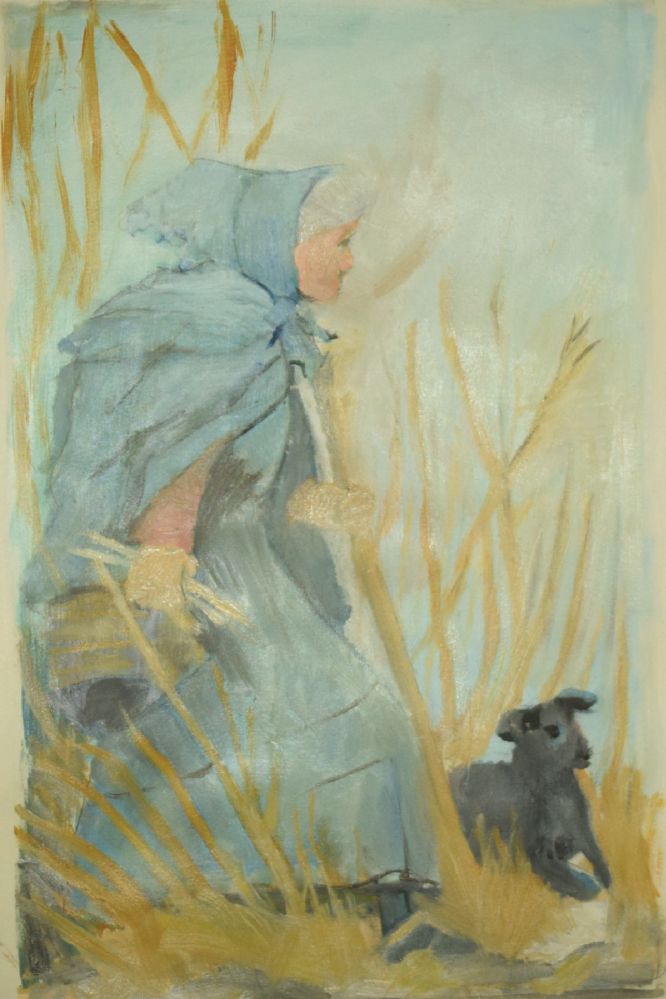
The cover of FRANKMINTED: The Linnet’s Wings — Halloween 2026 features Old Mother Autumn, a mixed-media artwork of a woman moving through dry autumn growth, accompanied by a small dark animal.
旅に病んで夢は枯野をかけ廻る |
Poetry: West
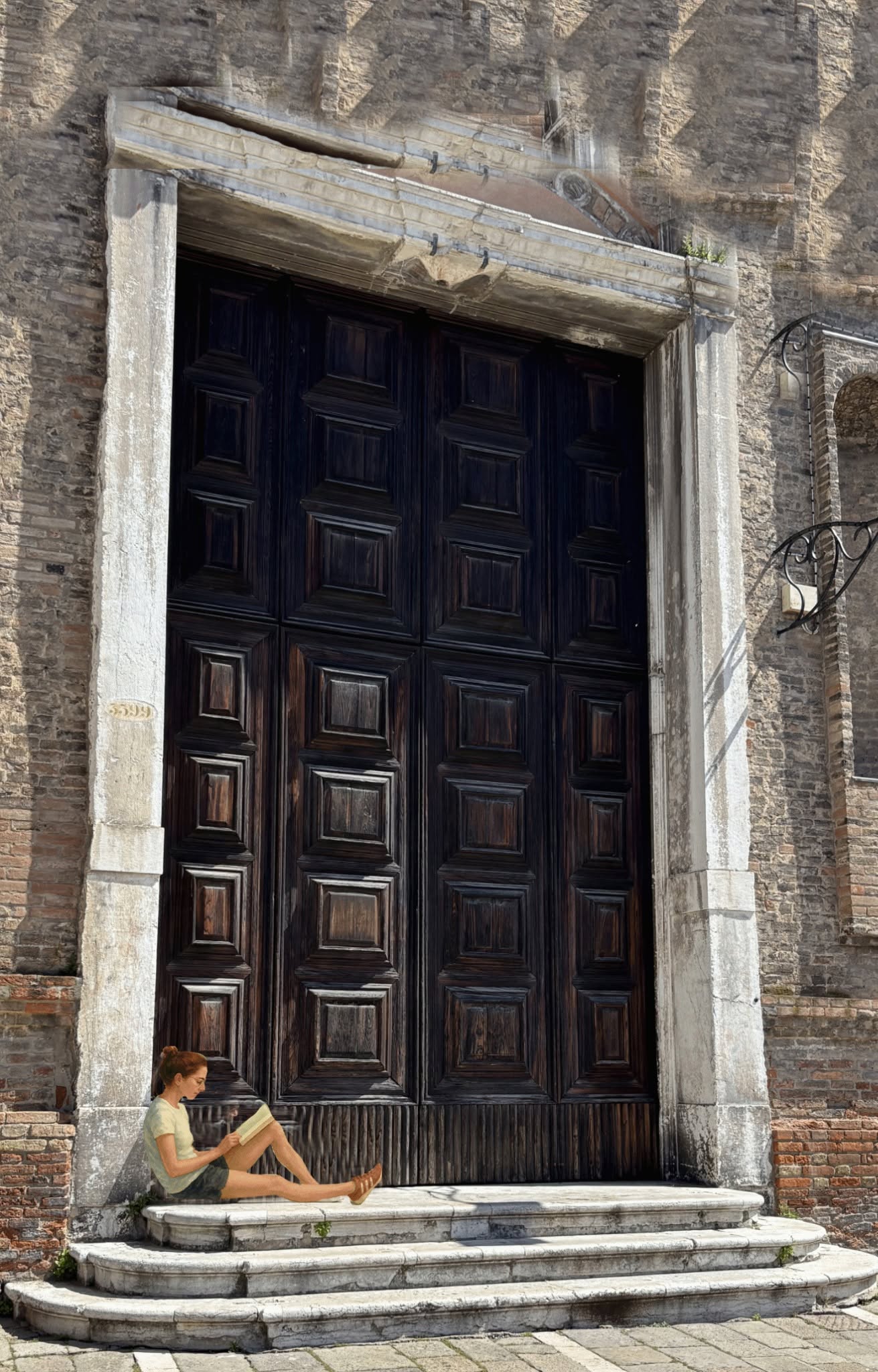
West’s poems offer a steady passage between our darker brackets. In “Flat Land”, he steps into Escher’s disciplined wonder, where pattern becomes paradox and the mind learns to doubt the floor beneath it. “Kissing Stones or Lost in the dark” brings us into Irish stonework and pilgrimage, rising from the dungeon-dark to the bright folklore of blessing. And “imminent exits” closes with a quiet seasonal turn — that late-summer knowledge that change is already at the roadside.
Poems by Bill West |
 Art/Photo Wall from our Print Magazine |
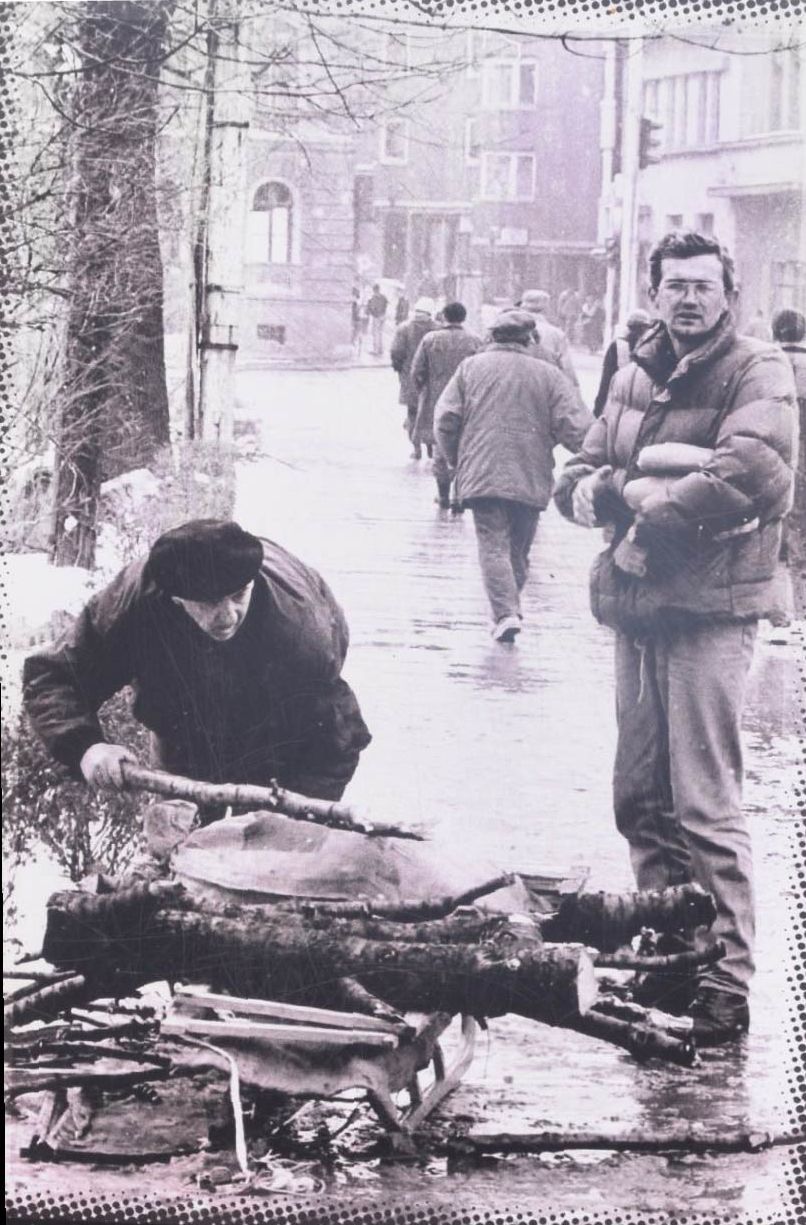 They Tunnel of Hope, Sarajevo, 2026 |
Translations by Michael Wooff
Two translations by Michael Wooff bring different kinds of darkness into FRANKMINTED. In the mountain village, the story of Old Casca blurs folklore and fearful memory; in Renaissance Florence, plague exposes the passions and choices of those who believe themselves beyond its reach. Both tales ask what people become when death draws near.
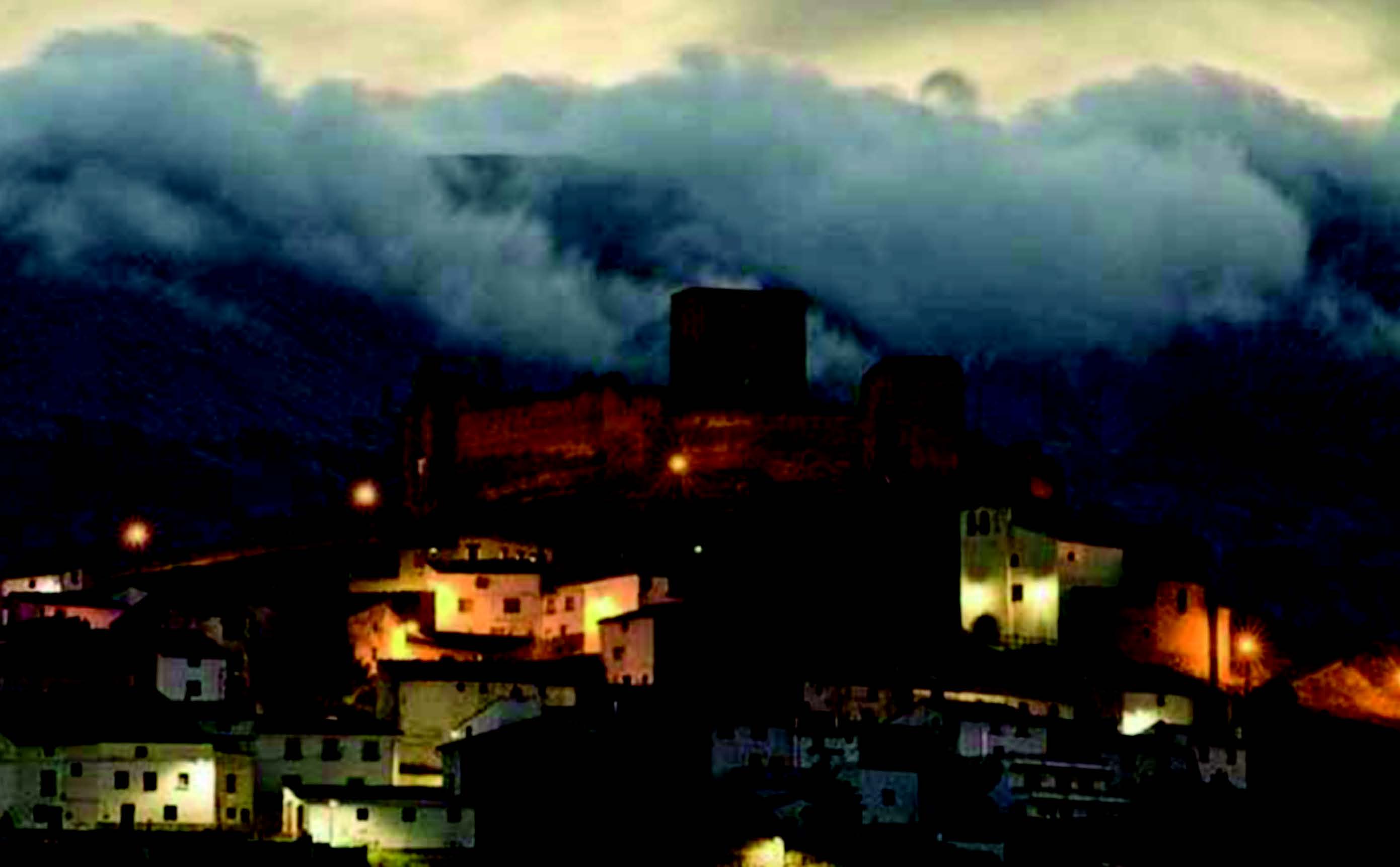
Casca |
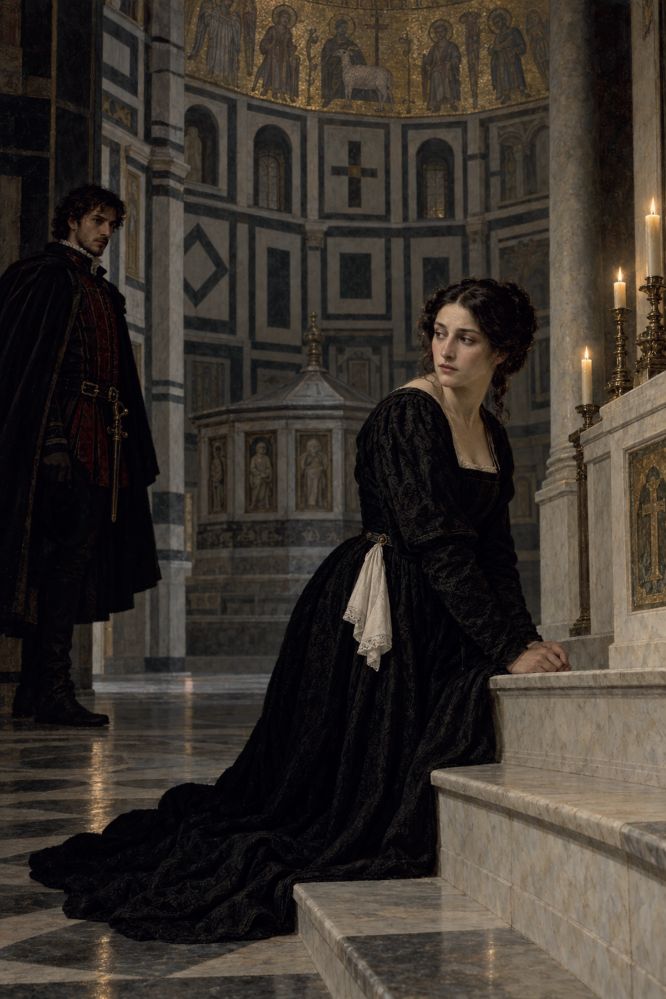 Anno Pestis |
Le Fanu and Longfellow (Classic)
Two nineteenth-century poems meet in this display: Le Fanu’s meditation on memory and the joys we carry from the past, and Longfellow’s assurance that difficult days belong to every life—and do not last forever.
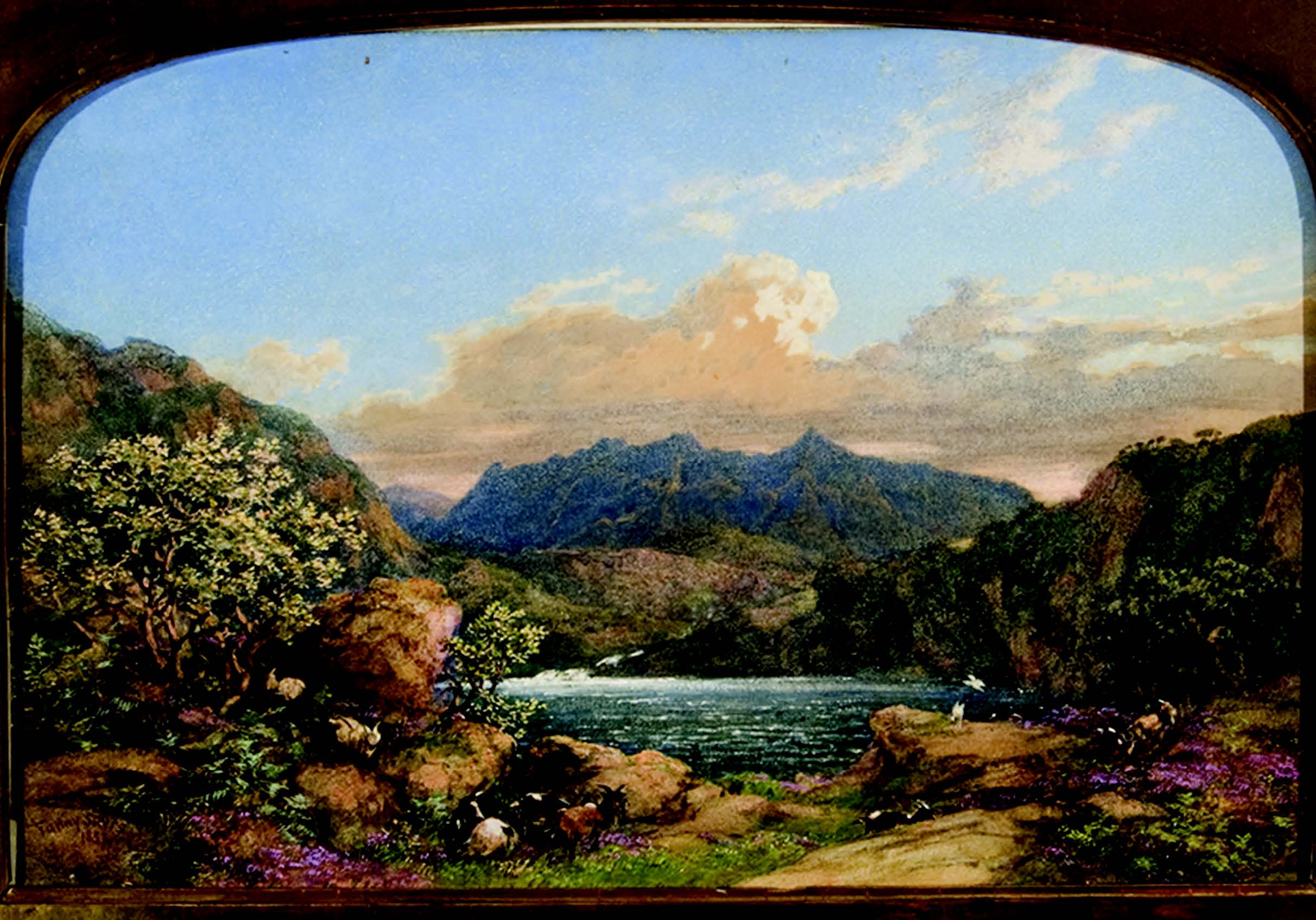
A reflective poem by Irish writer Joseph Sheridan Le Fanu, in which a sound on Killarney’s shore awakens echoes of the past. Though memory holds grief as well as joy, the speaker cherishes it for the happiness that lives on in recollection. |
Poetry: John C, Mannone
John C. Mannone’s three hybrid works bring ghosts, uncanny art and a storm-haunted flight into conversation with science, memory and myth. Moving between prose and linked verse, they test the boundary between the explainable and the supernatural, with wit, imagination and a keen sense of dang
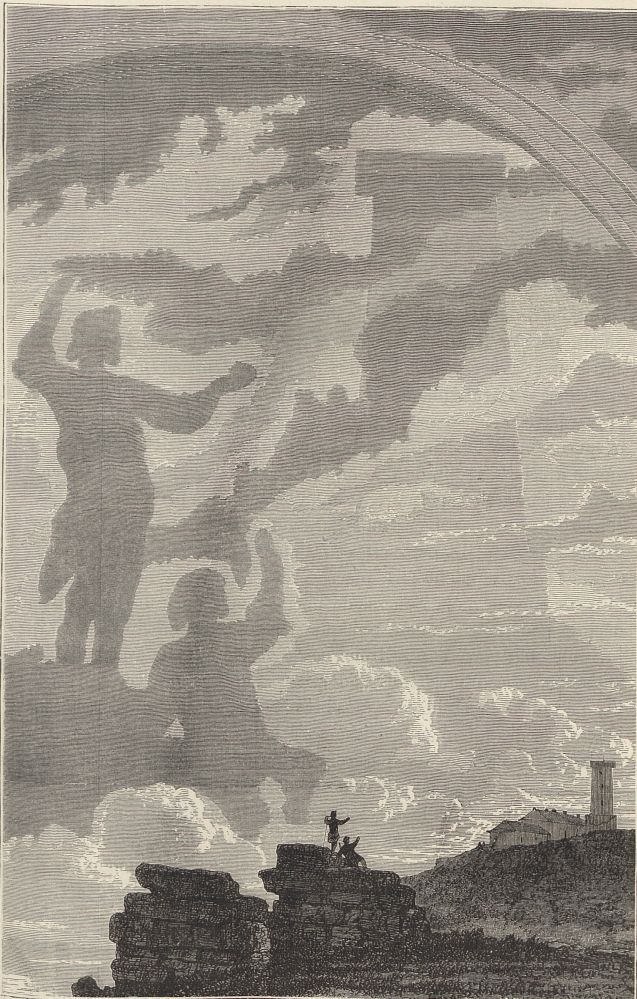
Ghosts |
 Smiles Trapped in the Imron Glaze |
 Prince of the Air |
Micro: Susan Tepper
Susan Tepper’s micros return to a woman and the soldier Petrov, whose lives are shaped by war, separation and grief. Through winter hardship, a lost child and questions that have no easy answers, the pieces give intimate voice to the endurance—and longing—for a life beyond conflict.
After The Winter Before |
 Announce |
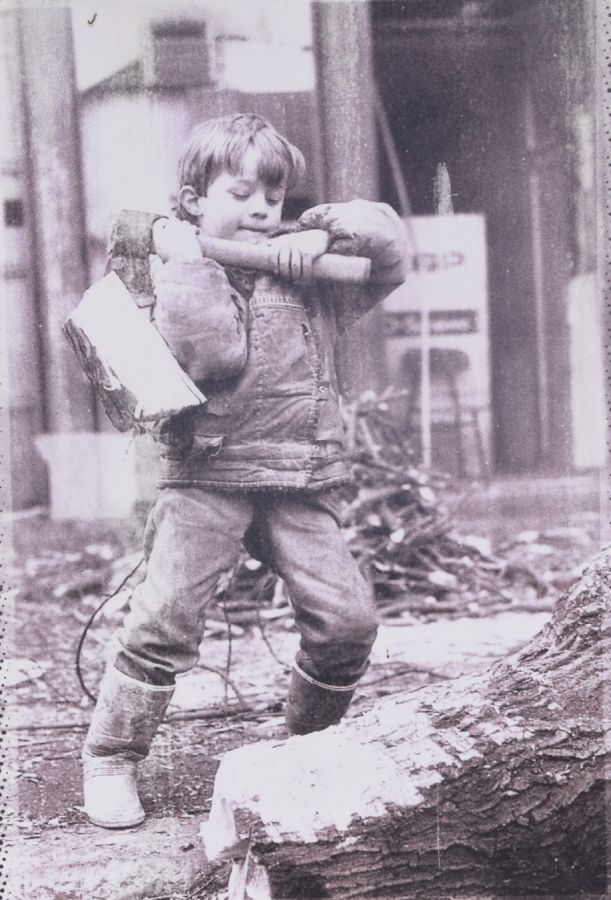 Never |
Poetry: LindaAnn LoSchiavo
LindaAnn LoSchiavo’s poems turn to the histories and legends of witchcraft: the Salem trials, the laws that condemned women, and the enduring superstition surrounding Macbeth. Together, they examine how suspicion and power shape the image of the witch—and how women’s voices and mysteries continue to survive.
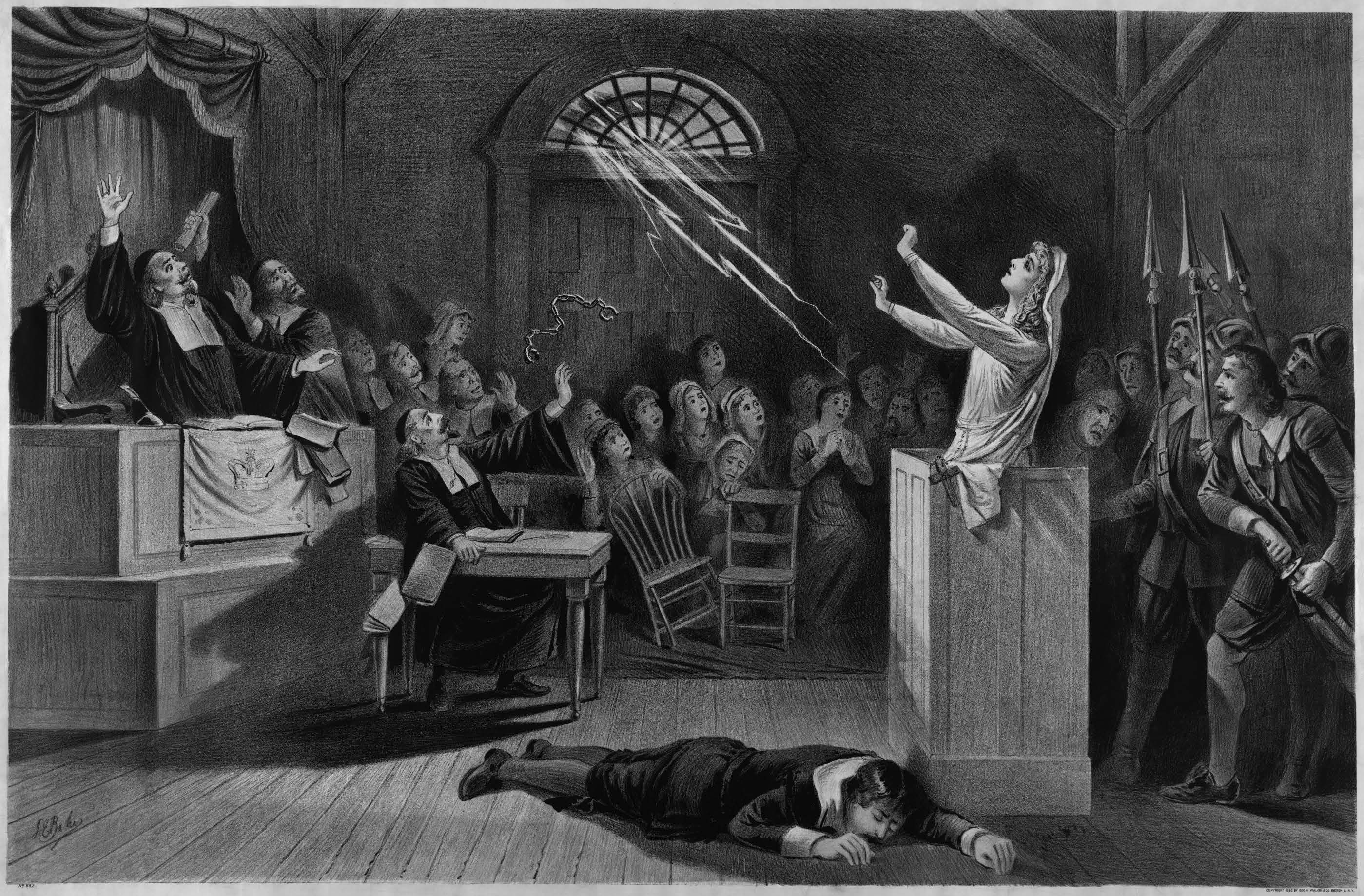
“Villanelle: Salem, Massachusetts, 1692” — LindaAnn LoSchiavo |
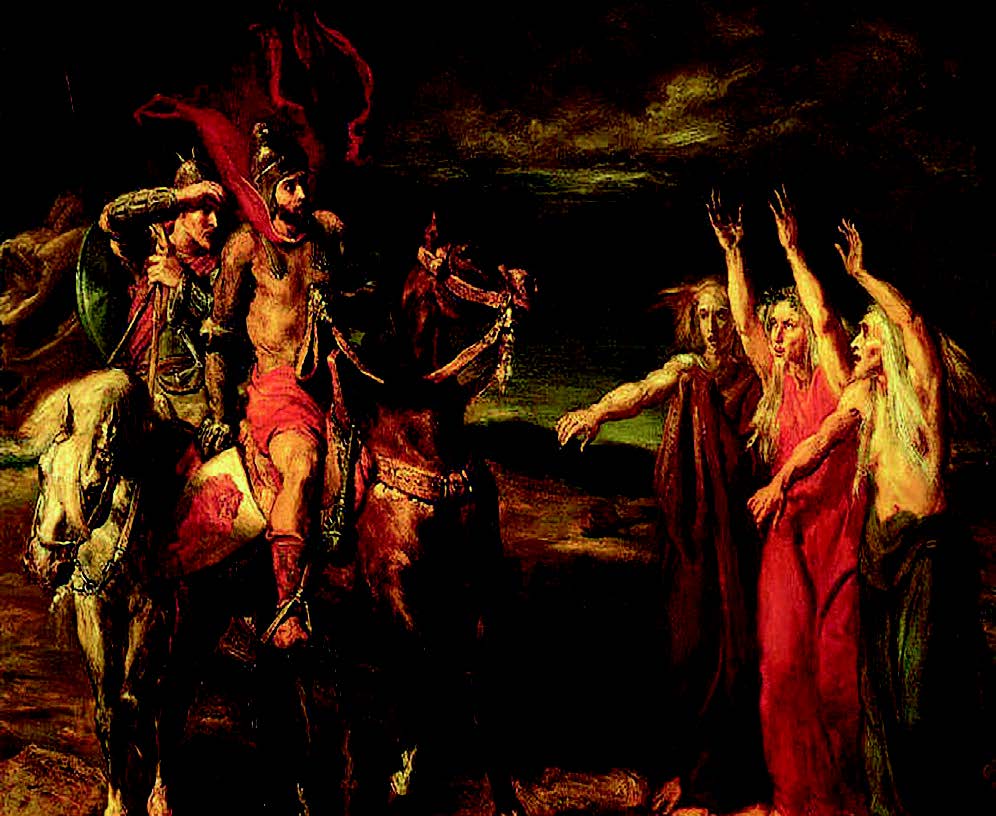 “Secrets of the Spell” — LindaAnn LoSchiavo |
Essays: Stephen Zelnick
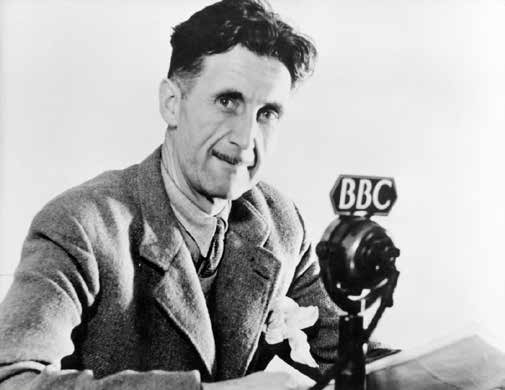
These two essays examine the stories a society tells itself. One turns to Orwell and the machinery of political power, language and belief; the other finds cultural anxieties in the monsters and nightmares of pre-Code Hollywood. Together, they invite us to look beneath familiar narratives—and notice what they reveal.

Orwell’s World |
 New Horror Reviews |
Poetry: Joslin and Kirchner
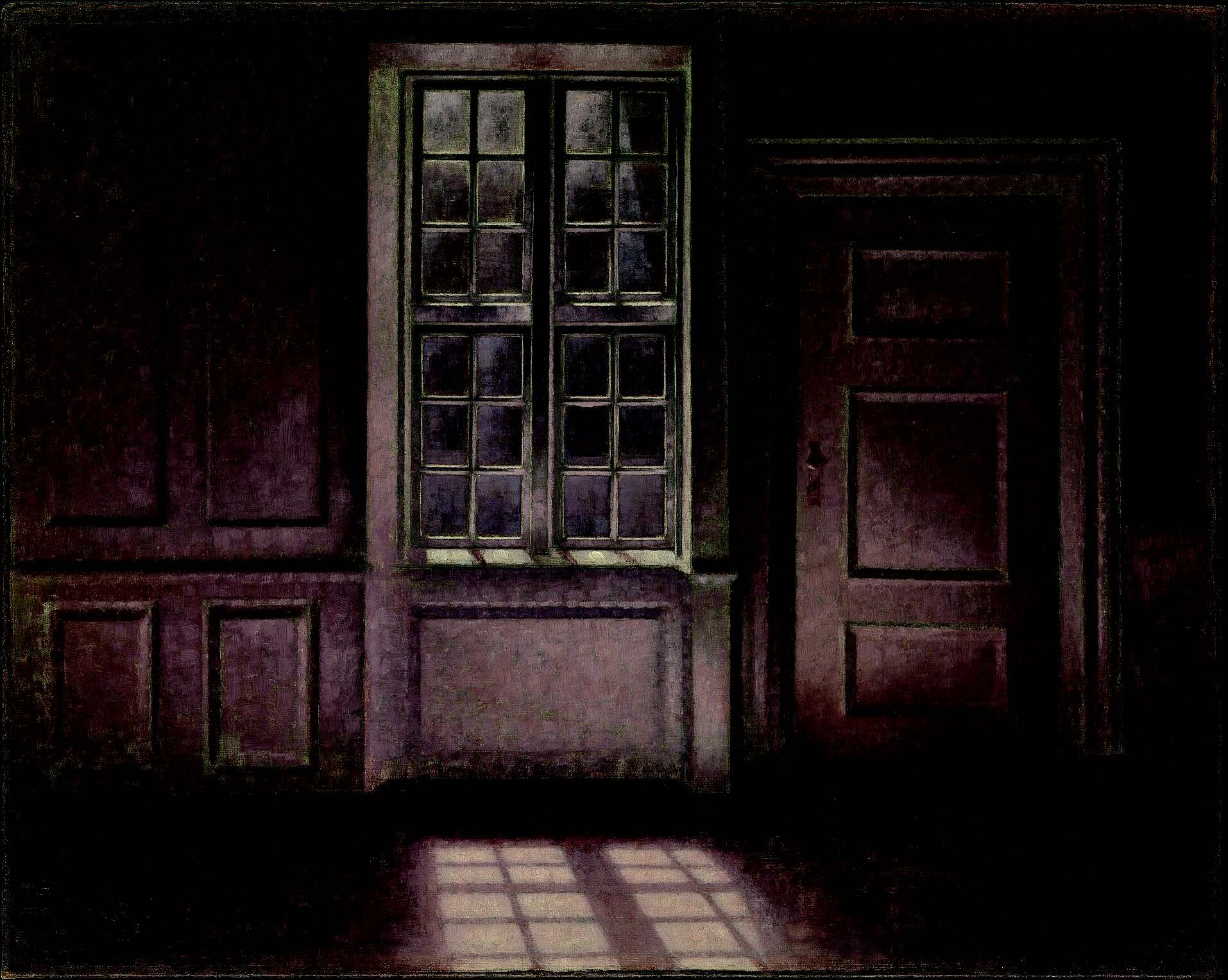
“An Early Encounter with Death” — Oonah Joslin |
Unyield” — Craig Kirchner |
“Now And Zen And The Continuum” — Oonah Joslin |
“All Saint’s Eve 1970” — Craig Kirchner |
Classic: — Joseph Sheridan Le Fanu
This display pairs Joseph Sheridan Le Fanu’s An Authentic Narrative of a Haunted House with Mari Fitzpatrick’s editorial, “What the House Keeps.” Le Fanu’s story gathers unsettling fragments—a shadow, a red light, unexplained footsteps and a buried bone—while the editorial considers how those fragments invite us to imagine the missing whole. Together, they explore haunting, memory and the mysteries a house may hold.
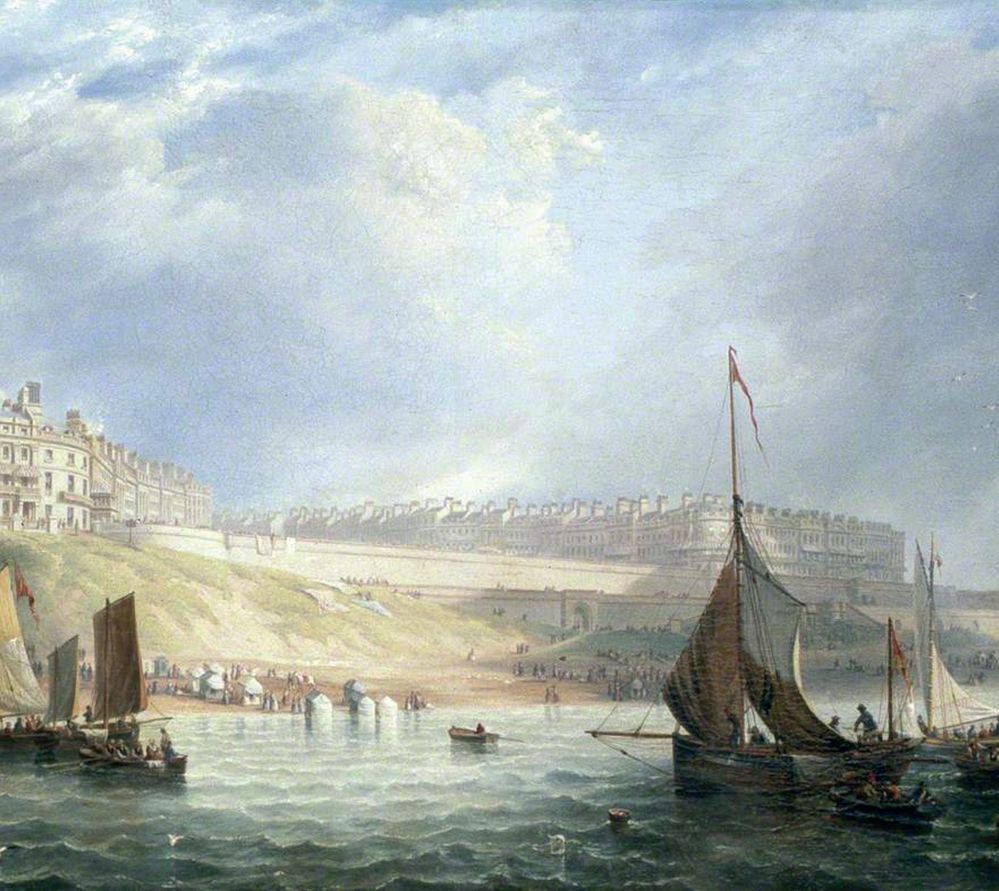
A family settles into a cheerful seaside house, only for unsettling reports to emerge from the bedrooms, passages and servants’ quarters: a woman glimpsed in the night, a shadow crossing a wall, unexplained knocks and a mysterious visitor. Le Fanu presents the incidents as a carefully gathered account, leaving the reader to weigh supernatural haunting against a more earthly explanation. |
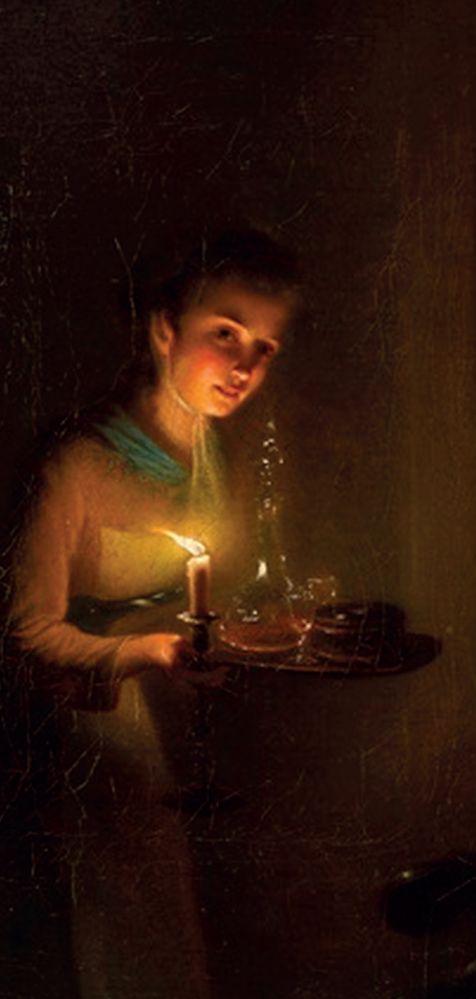 Returning to Le Fanu’s An Authentic Narrative of a Haunted House, Mari Fitzpatrick follows the story’s fragments: a shadow without a visible figure, unexplained footsteps, a red light and a buried bone. Bringing Le Fanu into conversation with Jung and Picasso, the editorial explores how what is hidden may return in images—and how a haunting can remain powerful when its mystery is never fully solved. |
Poetry: Sheehan, Jensen and Smith
These poems move through memory, love, grief and the lingering presence of the past. Tom Sheehan finds a mother’s labour and affection still held in the worn surface of an old dough board, while Kristine Jensen traces the damage of an angry thought and the longing to recover what has been lost. Iain C. Smith’s Mates reflects on friendship, sudden death and the preciousness of the time still granted to us, and Pipedream returns through storm, smoke and remembered domestic detail to childhood, family tensions and an earlier world. Together, the poems show how ordinary objects, gestures and moments can carry whole lives within them.
"Sign on a Wall" by Tom Sheehan is a nostalgic poem depicting a worn dough board, symbolizing a mother's labor of love in bread-making. It evokes memories of family, tradition, and the passage of time, blending sensory details with a deep sense of longing and reverence |
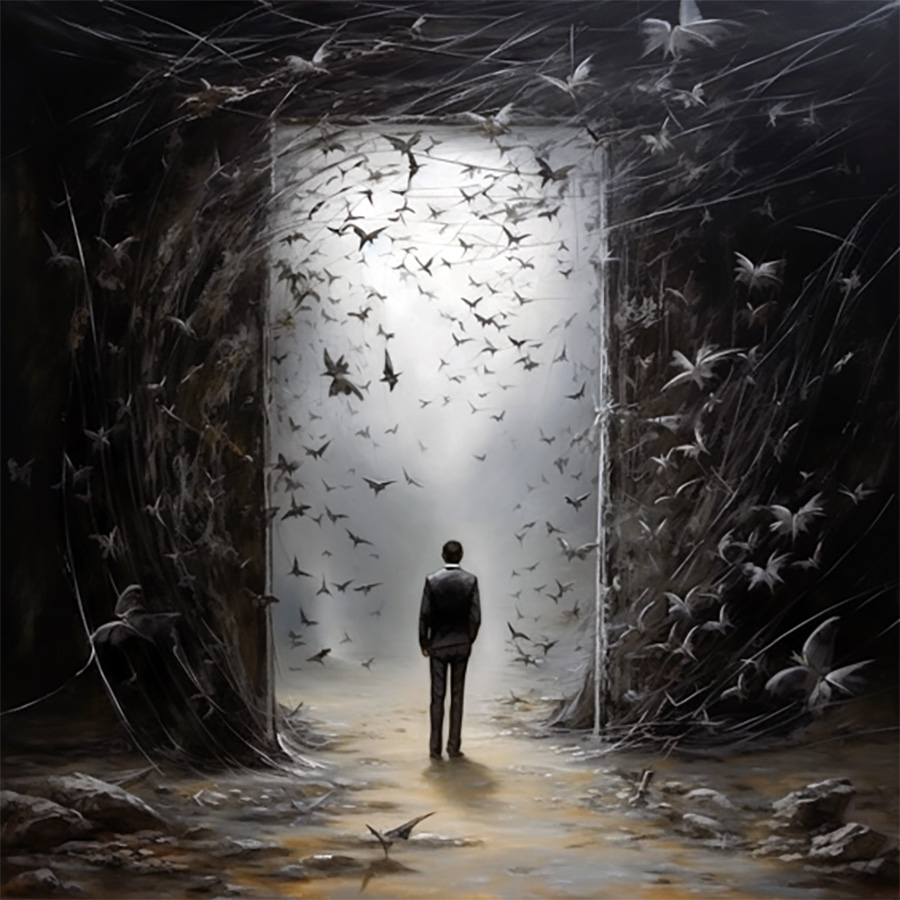 Exploring the ephemeral space between day and night, 'Down The Crack With The Crickets' by Kristine Jensen delves into the fleeting nature of thoughts and emotions. An angry thought disappears with the wind, symbolizing lost moments and the struggle to reclaim them. |
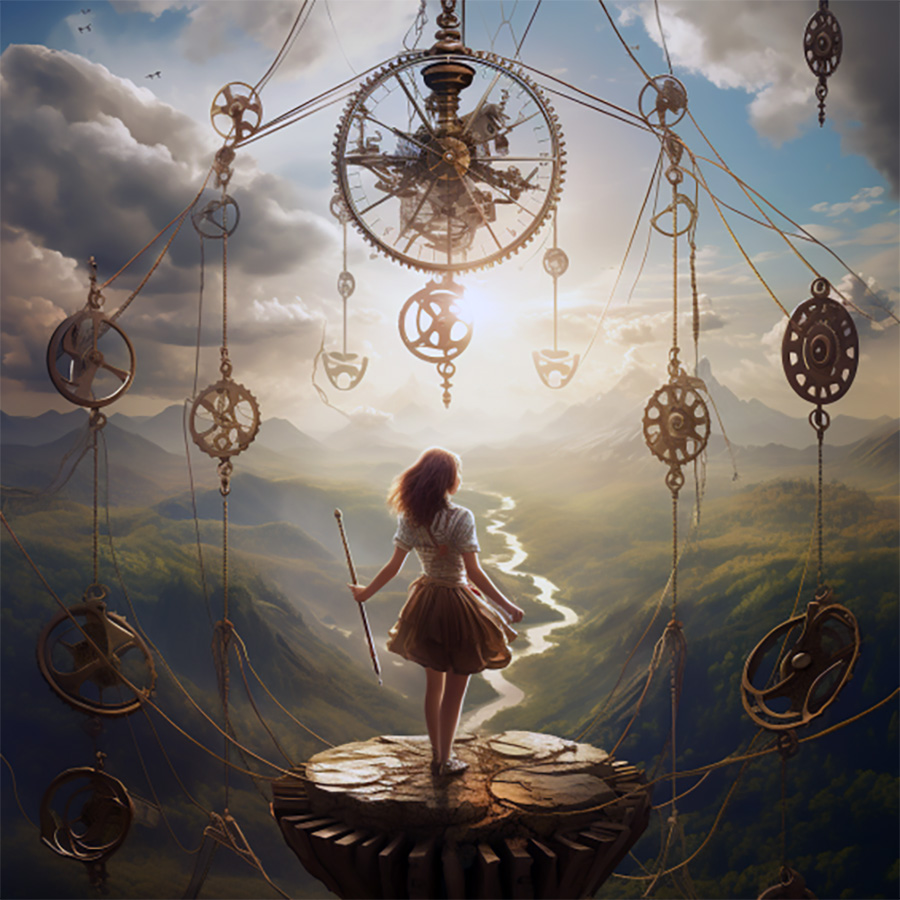 Explore the poignant poem Mates by Iain C. Smith, dedicated to Jake and Patrick. Reflecting on the sudden loss of a young life, it intertwines themes of grief, camaraderie, and the fleeting nature of youth, as experienced through the lens of a soccer match metaphor. |
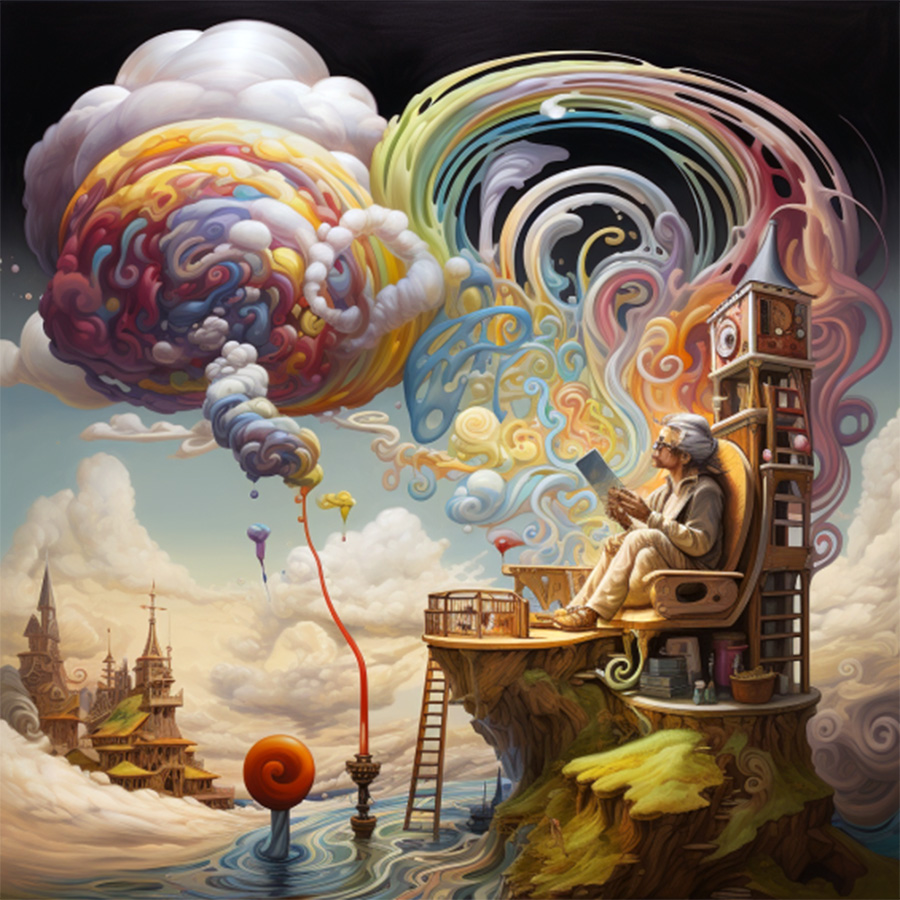 "Explore the evocative poem 'Pipedream' by Iain C. Smith. A vivid blend of memory and observation, it captures a moment of reflection amidst a storm, evoking nostalgia and introspection about family, past experiences, and the transformative journey of life. |
Essay and More: Zelnick, Fitzpatrick, Giordano
These three pieces explore creativity, interpretation and the unpredictable places from which stories emerge. In the opening reflection, an ordinary encounter between a cat and mouse becomes the starting point for poetry and an experiment with artificial intelligence, showing how a writer can remain the imaginative director while using new tools to examine movement, structure and technique. Stephen Zelnick’s Chekhov’s Dark Comedy revisits The Seagull as a work of irony and restraint rather than conventional melodrama, considering Chekhov’s refusal to judge his characters or force life into easy conclusions. Joe Giordano’s The Mandylion shifts into suspense, where art expertise, family loyalties and an alluring figure from the past draw Anthony Provati toward a potentially dangerous million-dollar proposition. Together, the pieces consider how observation becomes art, how interpretation changes what we see, and how curiosity can lead us into territory we never expected to enter.
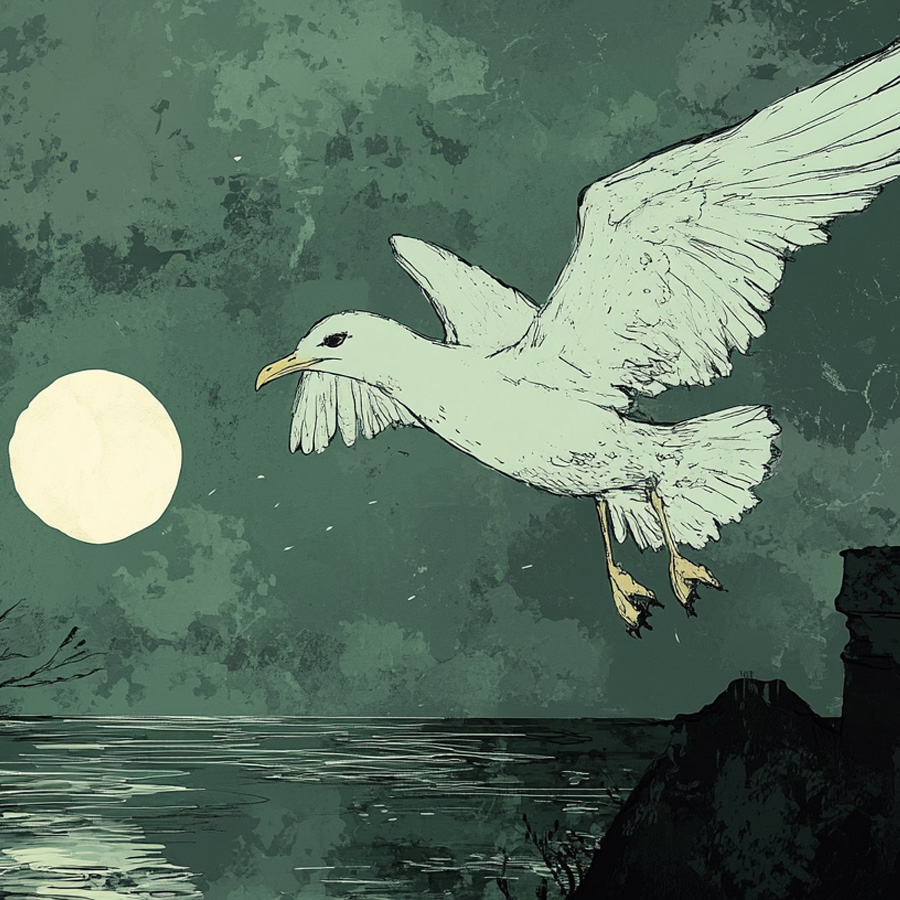
Chekhov's Dark Comedy, Stephen Zelnick explores the enigmatic nature of The Seagull, a play Chekhov envisioned as comedy but layered with despair, cruelty, and unfulfilled lives. Zelnick examines Chekhov’s nuanced storytelling, which mocks genre conventions, embraces subtle irony, and resists tidy conclusions. The essay celebrates Chekhov's artful portrayal of flawed humanity amidst societal decline. |
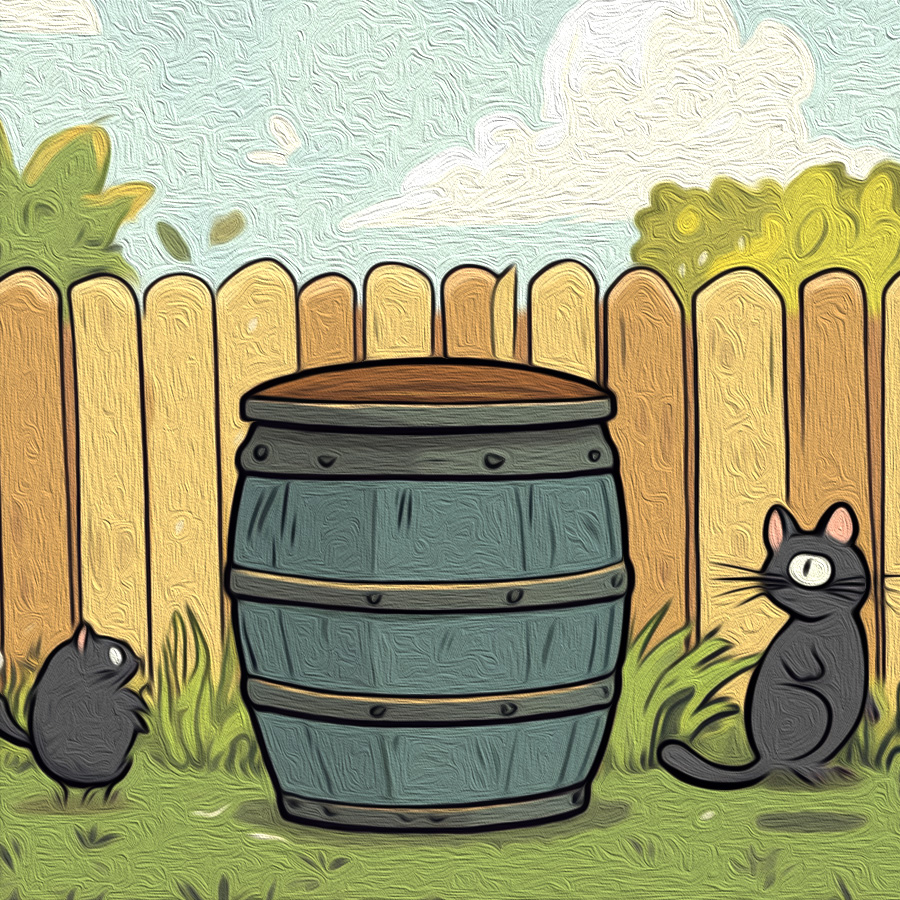 In Picture on Picture, Mari Fitzpatrick captures the lively interplay of nature and imagination through a vivid cat-and-mouse chase by a rain barrel. Blending humor and reflection, she contrasts the raw vitality of the pursuit with the serenity of a garden setting. The piece evolves into a poetic exploration of movement, tension, and the delicate balance of life in its fleeting moments. |
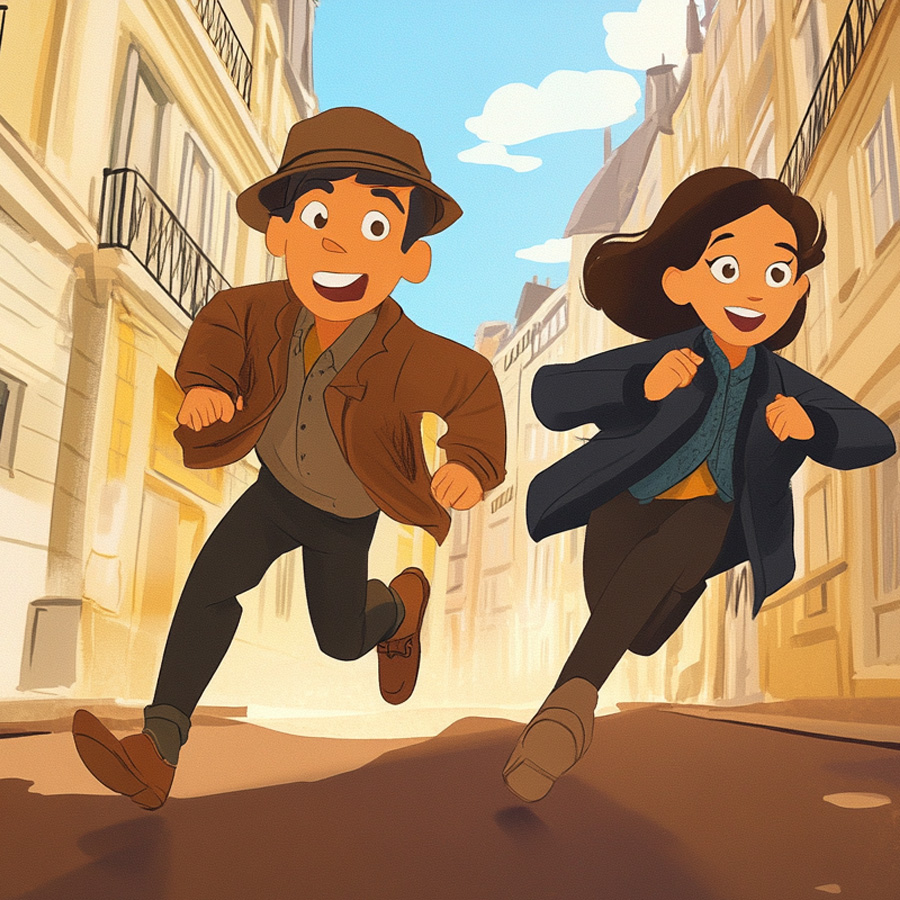 In The Mandylion, Joe Giordano intertwines art, danger, and family dynamics through the lives of Anthony and Valentina Provati. This gripping excerpt sets the stage for a high-stakes narrative as Anthony, a Manhattan art dealer, is drawn back into a dangerous world by Sophia, an alluring figure from his past. With Valentina’s sharp wit and FBI expertise, the siblings navigate temptation, loyalty, and the shadowy underbelly of the art world. |
Poetry by Paul Hostovsky and Art Selection (2013)
Paul Hostovsky’s poems “Aubade” and “Romantic” bring wit, warmth and a wry eye to everyday experience: one turns sunrise into a comic drama of exuberance and indifference, while the other follows the irresistible pull of poetry, beauty and romantic impulse. Paired with a selection of original artwork from The Linnet’s Wings’ 2013 archive, the display brings together poetry and image in a lively celebration of imagination, observation and the small moments that unsettle ordinary life.
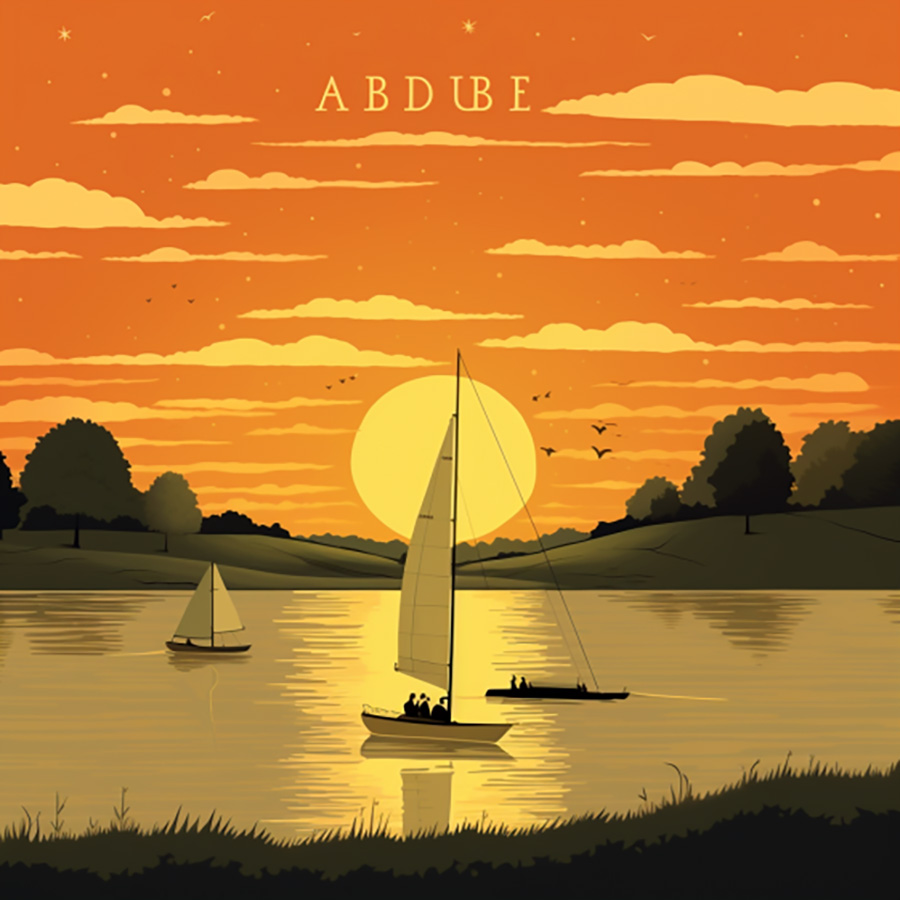
Aubade uses these vivid personifications and contrasts to create a playful yet poignant commentary on the nature of enthusiasm, routine, and perhaps the human tendency to become jaded or unappreciative of the everyday wonders of the world.- |
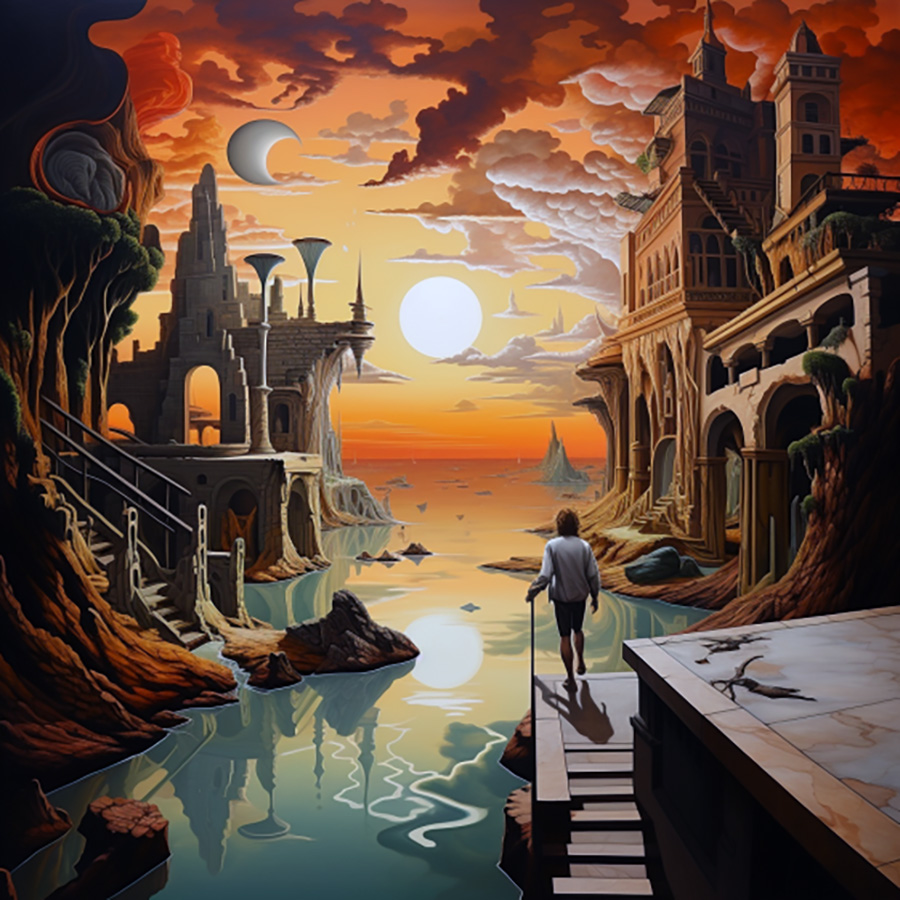 This section of the website displays original illustrations and details their use in various literary contexts. For more information and to view the artwork, you can visit the page by clicking on the imagge. Thanks! |
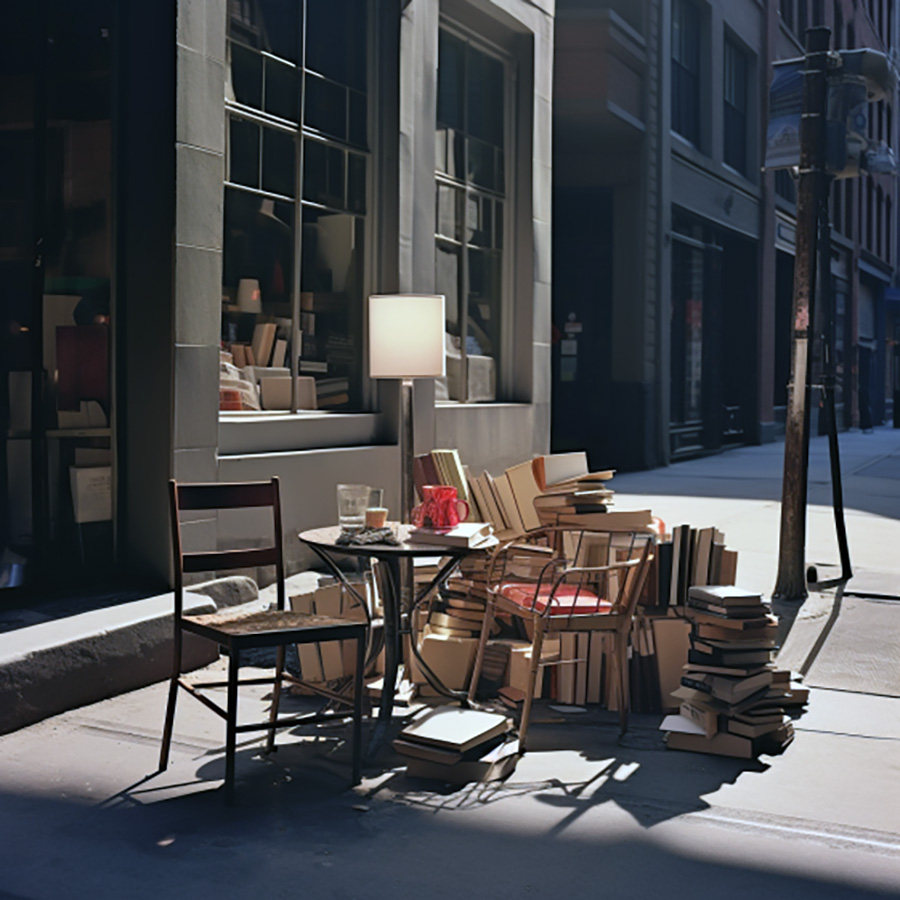 Hostovsky writes about the allure of poetry and the arts, and how they can inspire us to make choices that might not seem logical but are deeply appealing to our sense of beauty and romanticism. |
Poetry: Fitzpatrick, Robillard, Bennett
These four poems move through imagination, memory, childhood and transformation, each finding something luminous beneath the surface of ordinary experience. From the sea-bound fellowship of *The Melody and the Song*, through Evie Robillard’s tender glimpses of children growing toward an unknowable future, to Maria Isakova Bennett’s richly tactile meditation on pigment, art and the body, the poems are linked by a sense of passage. Seasons turn, children change, journeys continue, and colour, story and human connection become ways of carrying experience forward.
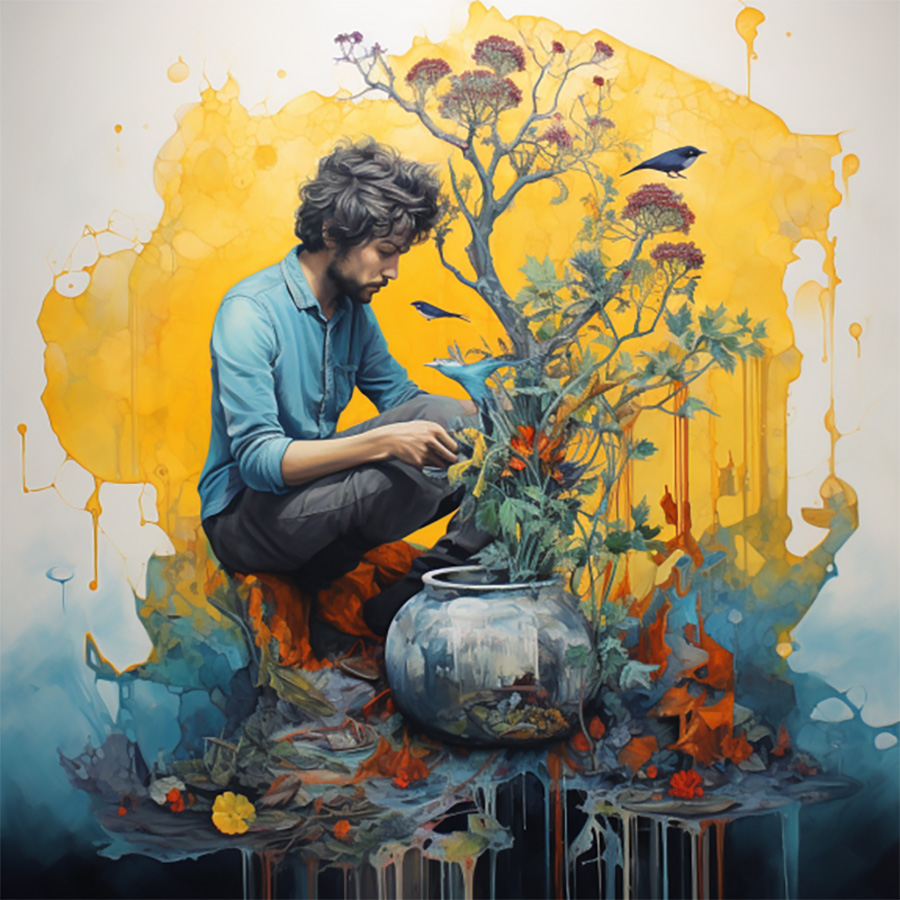
Through 'The Melody and the Song,' we are transported to a world where the magic of storytelling and the power of nature converge, offering us a glimpse into the heart of what it means to be part of a family, part of the endless cycle of tales and melodies that bind us a |
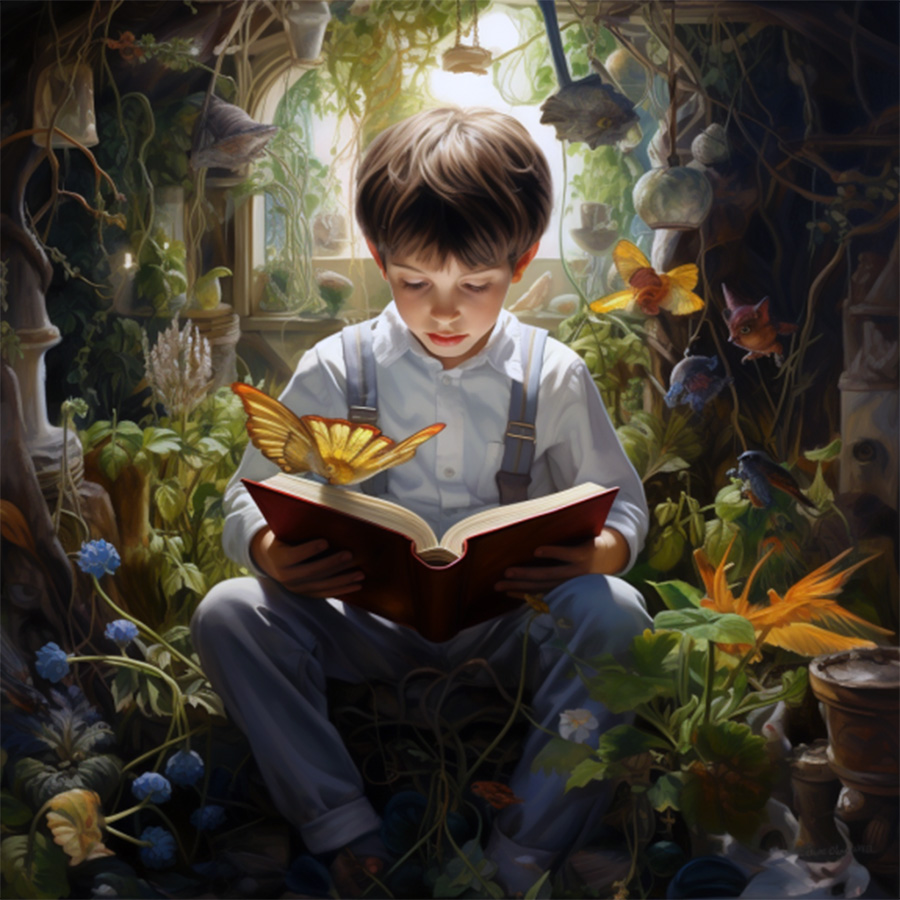 Robillards' poem will resonate with with anyone who has experienced the transition from childhood to adulthood, evoking both nostalgia for what is lost and an appreciation for the growth that change brings. |
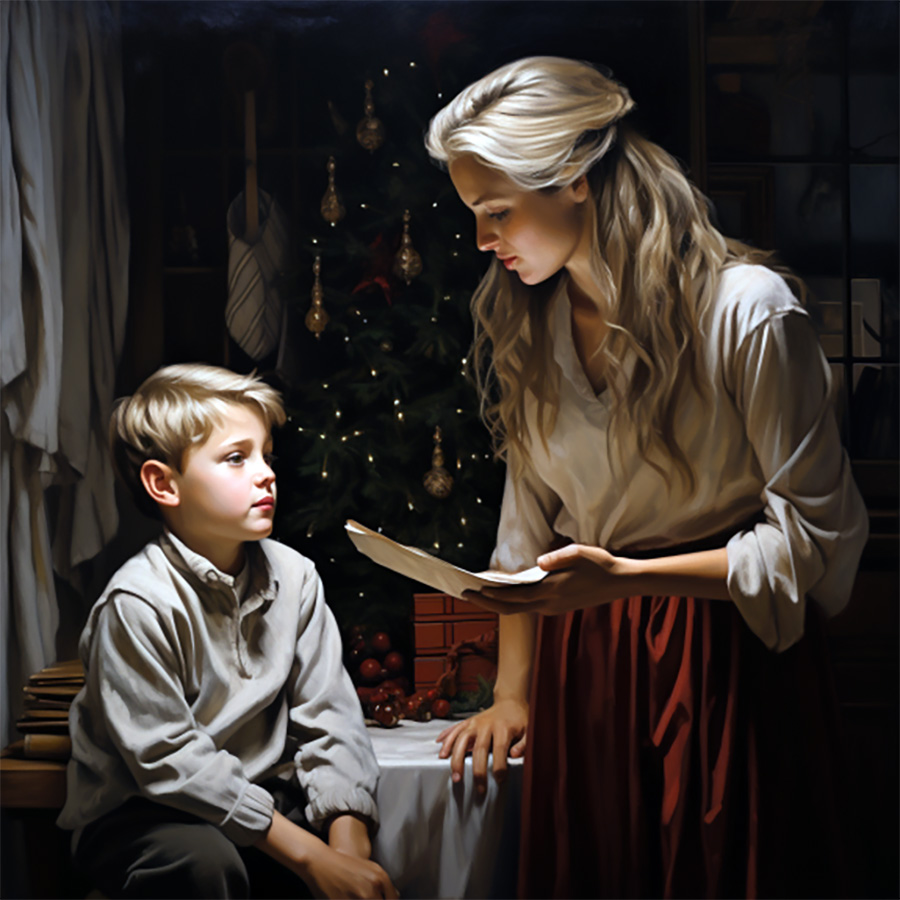 A call to embrace the cycles of life, with all their complexities and nuances, and to find beauty in the familiarity of the recurring themes that shape our existence. |
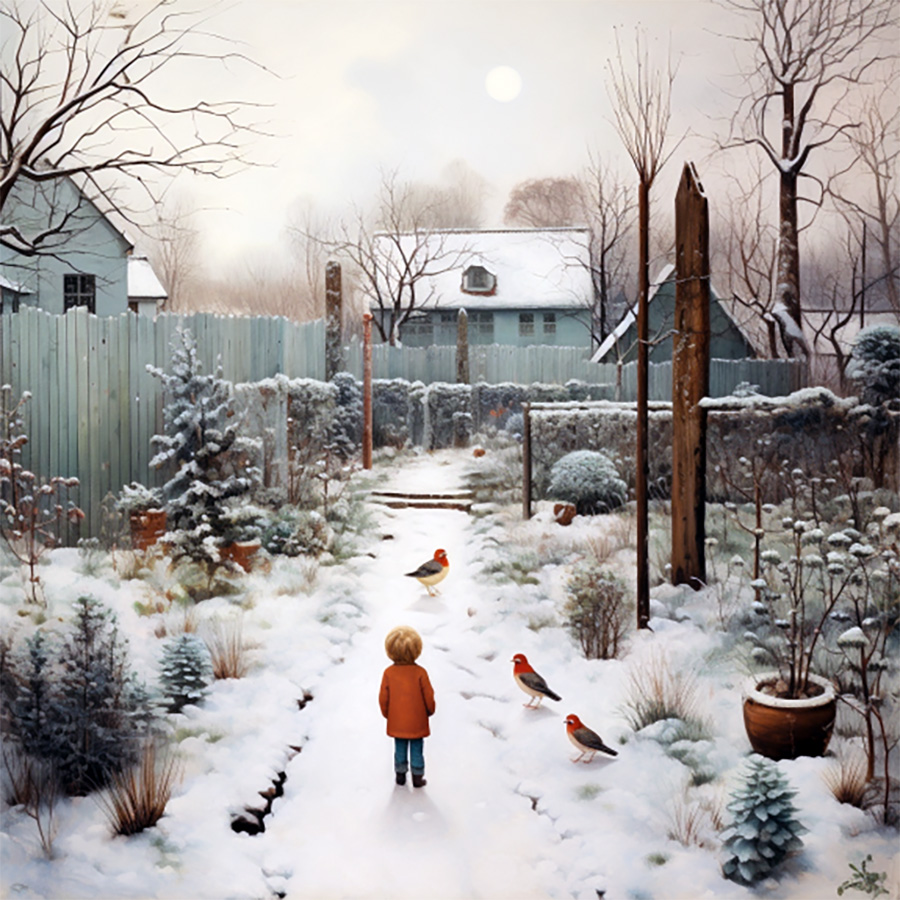 Explore 'The Source of Madder' by Maria Isakova Bennett, a vivid poem in The Linnet's Wings 2013 Winter Issue, delving into art's essence, creation, and transformation through the alchemy of madder dye. |
Writers: Schwartz, Biswas, Robinson
These three stories move through dream, memory, and family inheritance, each finding strangeness inside the ordinary. David G. Schwartz’s playful surrealism follows animal wisdom and dream logic into a world of ravens, dogs, dawns, berries, parachutes, and elephants. Beside it, Biswas writes a quiet magical-realist piece that returns a woman to the living power of books and stories, and Bill Frank Robinson’s “Grandma’s Story” roots the gathering in oral family history, where circus roads, prizefighting, early cars, love, loss, and rough humour become part of the Archie family chronicle. Together, the pieces celebrate storytelling as wonder, recovery, and remembrance.
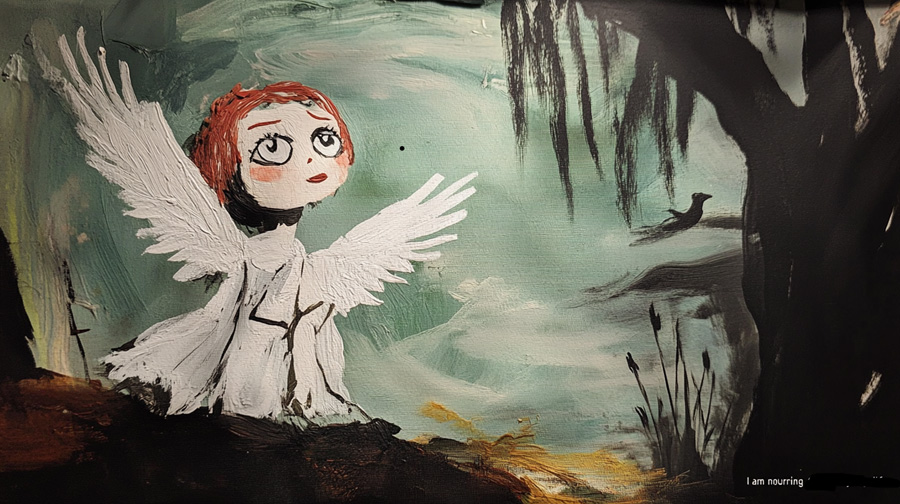
David G. Schwartz’s “Do Elephants” is a playful surreal prose piece that turns a simple question into a tumble of dream logic, animal wisdom, barking dogs, cawing ravens, dawn-built days, berry bushes, parachutes, and the mysterious dignity of elephants. |
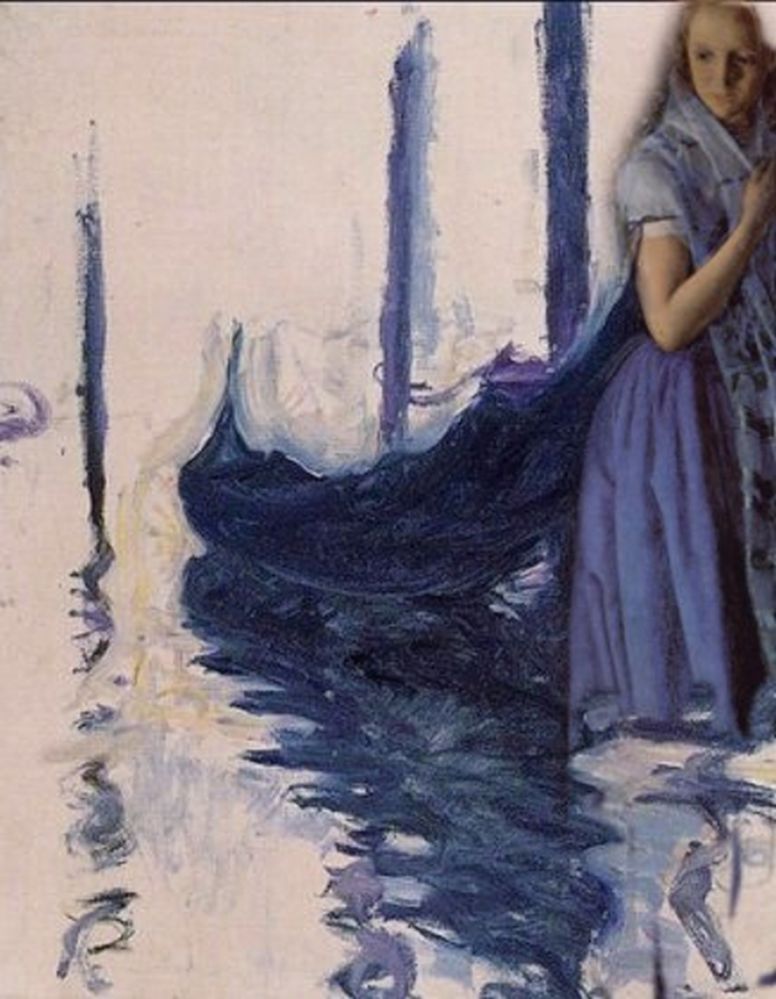 A subtle, magical realist story about a woman who has drifted away from books, only to find herself drawn back into reading through memory, unease, and the living presence of stories. |
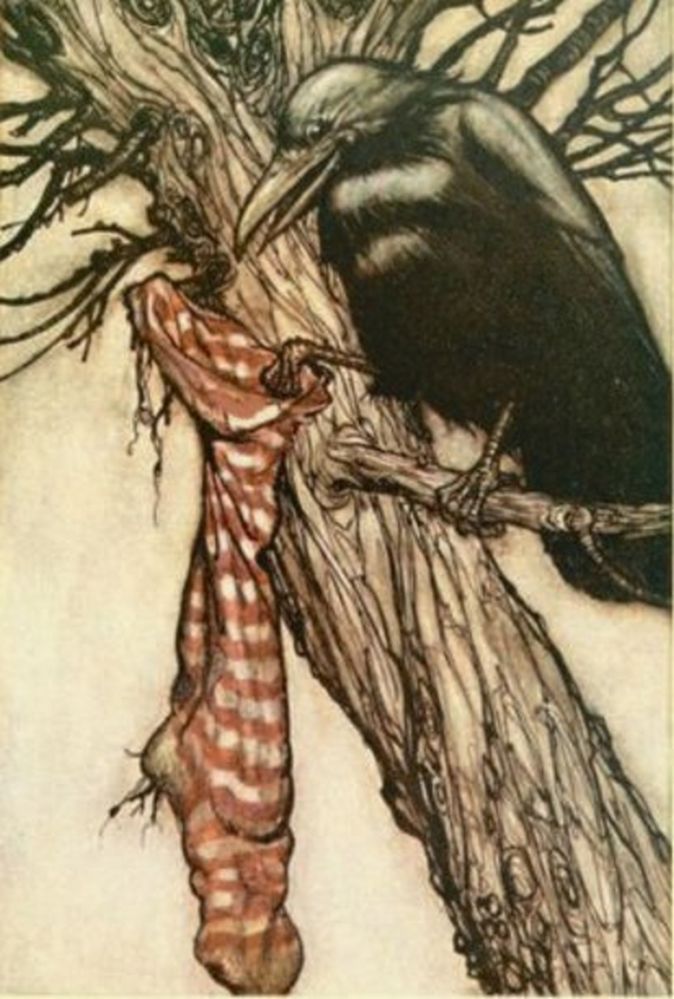 In “Grandma’s Story,” Bill Frank Robinson lets family history spill out through Grandma’s memories of circus roads, prizefighting, early automobiles, love, loss, and Lonnie’s fateful encounter with Todd Toolbee. The piece blends humour, grit, and oral storytelling into another vivid Archie family chronicle. |
Voices Against Silence: Harris, Walters, Tallefer
Three works confront the pressures that silence people: guilt and the search for redemption, the double-edged longing for flight and freedom, and the struggle for safety and dignity in the face of hostility. Harris, Walters and Taillefer turn fear, vulnerability and human experience into voices that insist on being heard.

"Human Noise" by Bruce Harris is a compelling exploration of the human condition, delving into the depths of love, guilt, and redemption. It serves as a reminder of the complexity of human emotions and the continuous journey towards understanding, acceptance, and healing. |
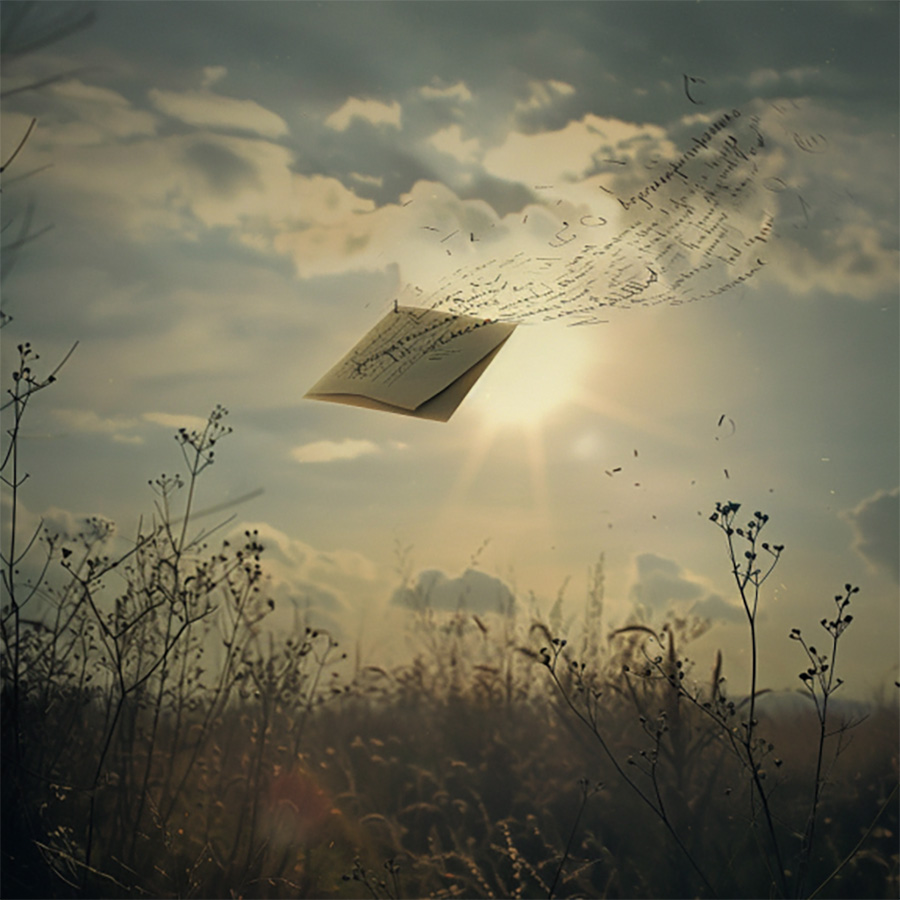 Ann Walters' poem intricately weaves together these narratives to present a multifaceted exploration of flight, capturing its beauty and brutality, its capacity for liberation, and its potential for sorrow. The repeated motif of flying serves as a powerful metaphor for the human condition, reflecting our deepest desires, fears, and the inevitable search for meaning beyond our tangible experiences. |
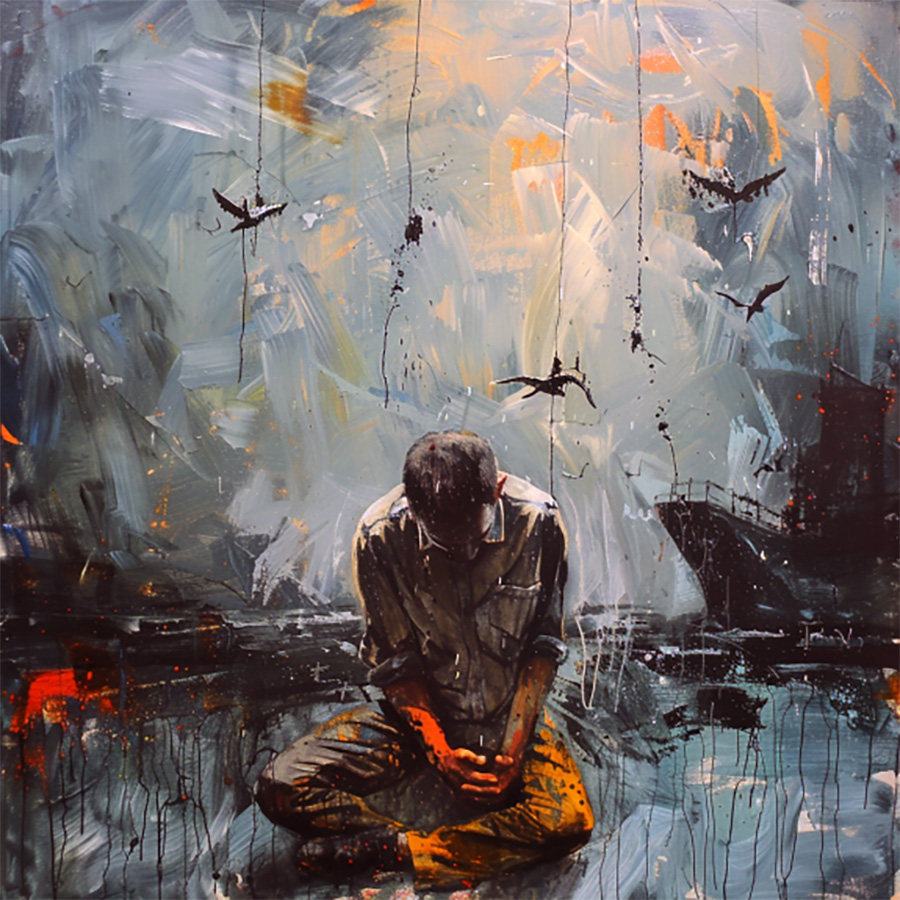 Venom by Dennis Tallefer explores the complexity of human emotions and the struggle for personal safety and dignity in a world that can be unwelcoming and dangerous for those who are perceived as different; it also highlights the need for empathy and understanding towards individuals who are fighting their own battles, both internal and external. |
Art Walls 2014: Spring, Summer, Autumn, Winter
Spring |
 Summer |
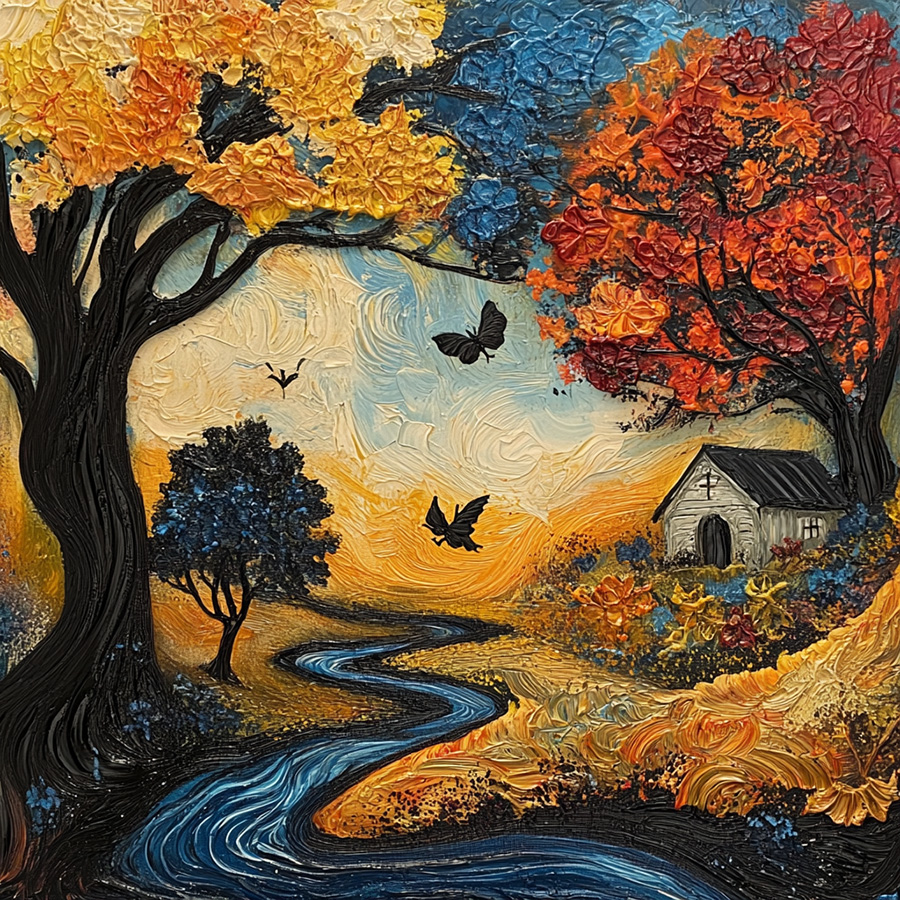 Autumn |
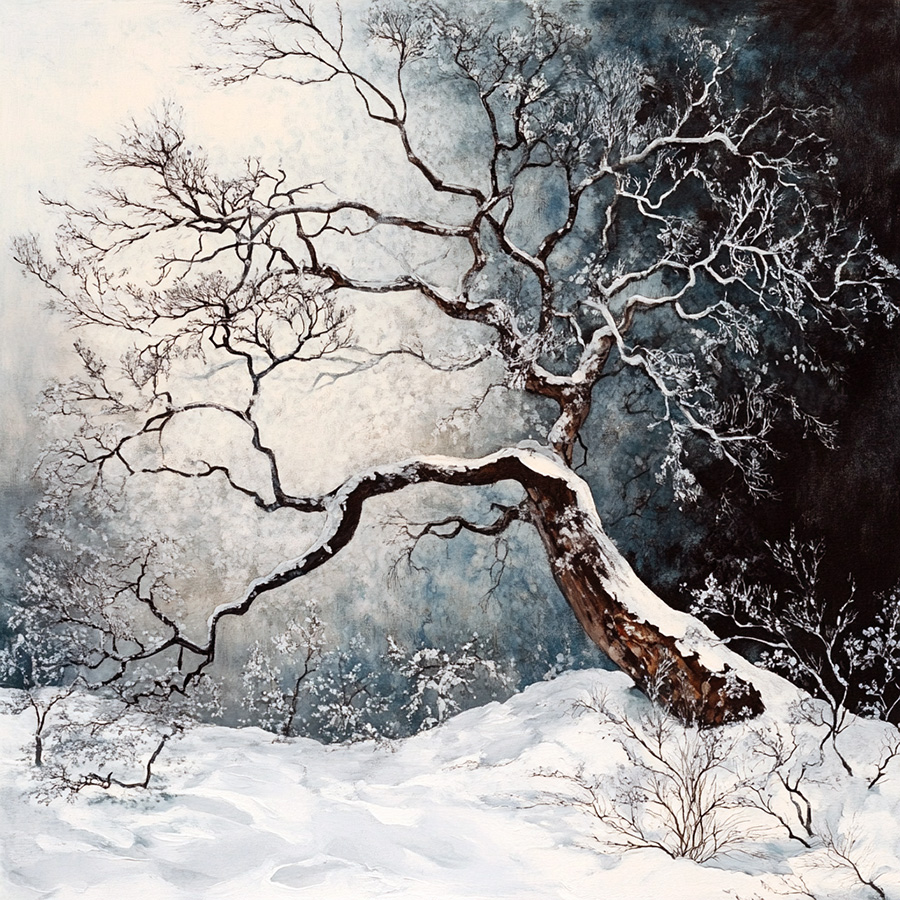 Winter |
Writers: MacIsaac, Kluger, Zelnick
A summer gathering of fiction and essay from Dan MacIsaac, Adam Kluger, and Stephen Zelnick: three pieces that move through story, character, comic unease, and literary discovery, ending with the music and force of Rubén Darío’s New World imagination.
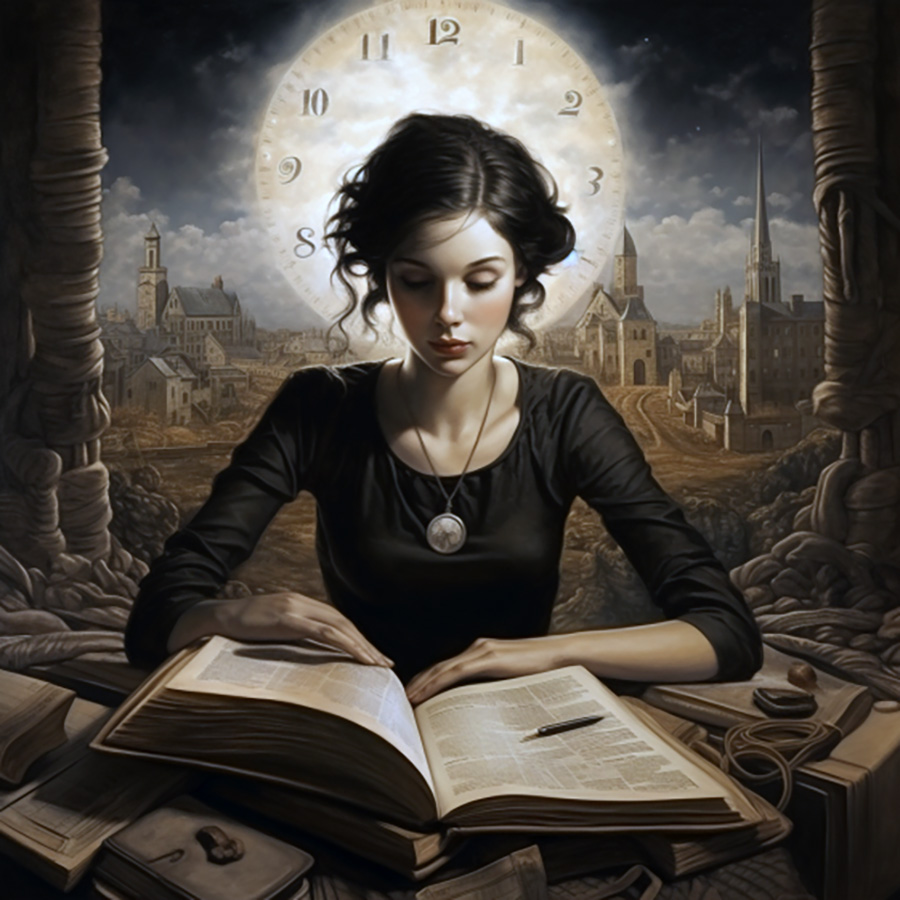
Dan MacIsaac’s “Cherry Ripe” follows a farm-bound son on Vancouver Island after his father’s death in war, as a fierce mother, hard labour, valley gossip, a schoolmaster, and the discovery of poetry draw him toward feeling, longing, and self-knowledge. |
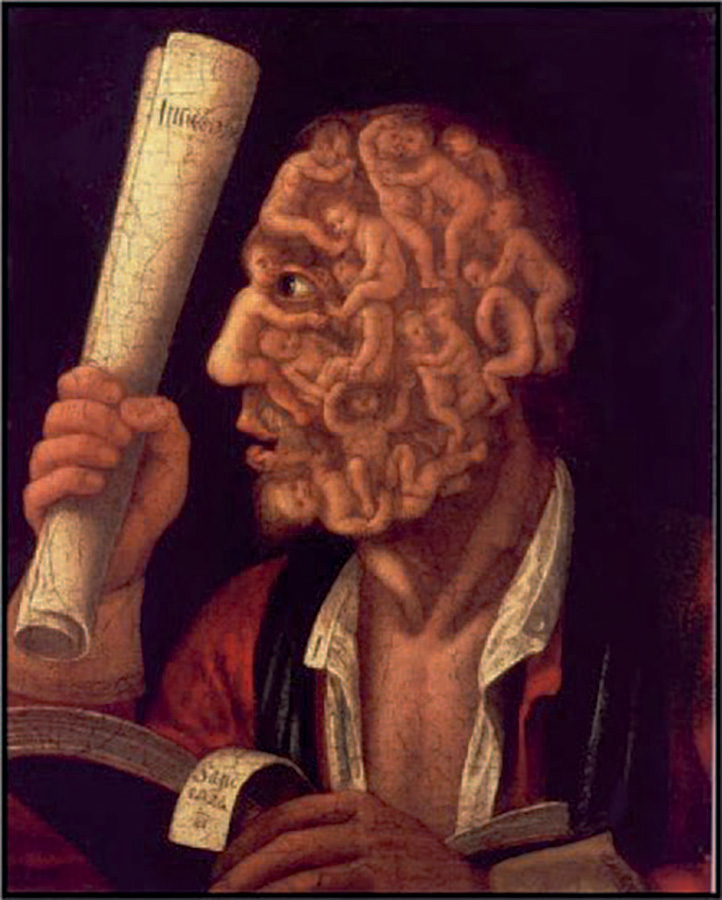 Adam Kluger’s “The Party” is a wickedly comic dialogue of literary appetite and social performance, where talk of prose, platform, food, friendship, and flesh turns darker by the line. |
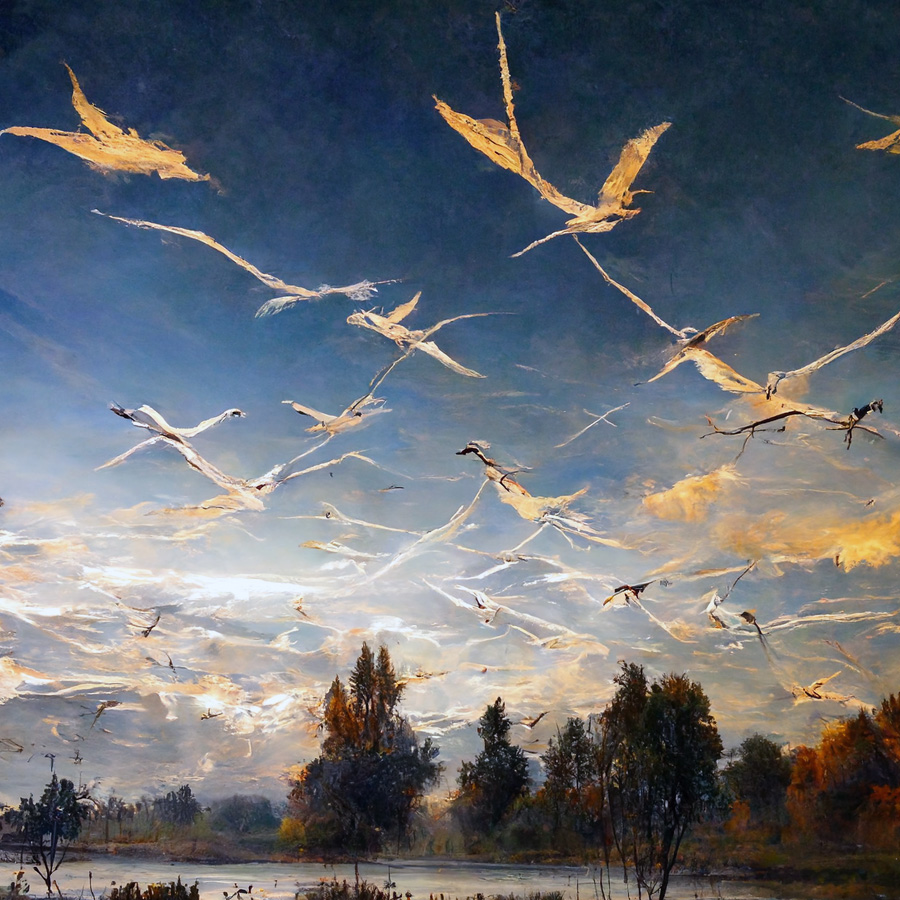 Stephen Zelnick’s “New World Poetry” follows Rubén Darío from Nicaragua into modernismo, politics, myth, and cultural resistance, tracing the music and force of a poet who carried the New World into literature. |
Short Stories: Helgadóttir and Braverman
Two sharply different stories explore the uneasy claims of the past. In Margrét Helgadóttir’s The Pact, Tuva returns to her family’s abandoned tivoli in a remote mountain clearing and discovers that an old bargain with the mysterious grey people is more than folklore. Alex Braverman’s Mozart and I moves through musical parody, dark comedy and Holocaust-shadowed family memory to examine fathers and sons, artistic inheritance, expectation, and the impossible demand that art should answer history.
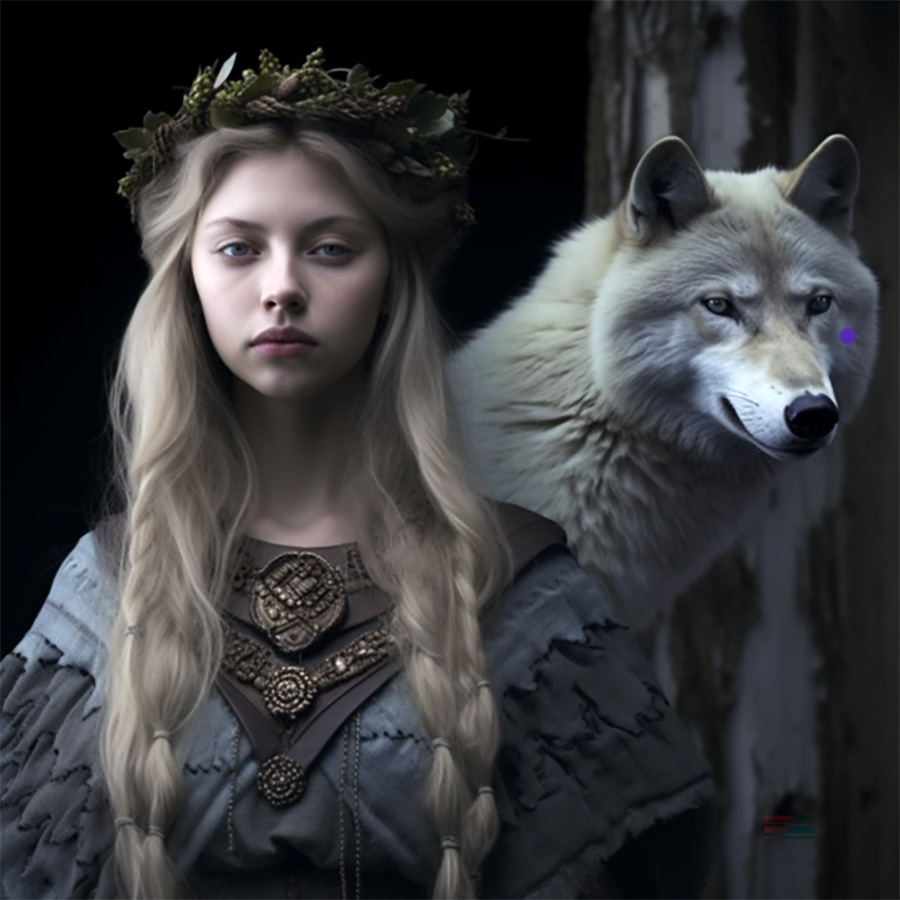
Helgadóttir's writing style is lyrical and evocative, drawing the reader into the story with vivid imagery and a sense of foreboding. The blend of history, particularly the references to World War II and the resistance movement, with folklore creates a unique and engaging narrative. This piece is a testament to Helgadóttir's skill as a storyteller and her ability to create a world that is both fantastical and deeply rooted in human emotions and experiences. |
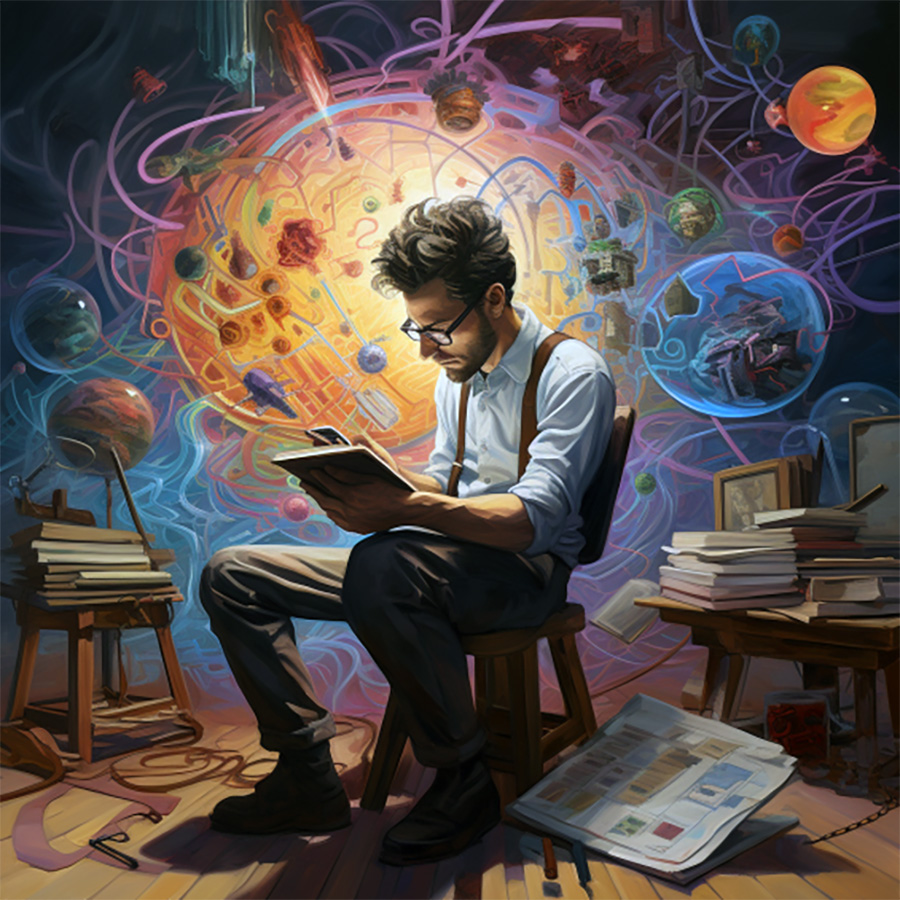 Mozart and I by Alex Braverman is a narrative that captures the essence of what it means to be an artist and the often tumultuous journey of balancing personal vision with external pressures. The narrative oscillates between admiration and resentment, showcasing how genius can be both a gift and a curse. The reference to Chaim Potok's novel "My Name is Asher Lev" serves as a poignant parallel, highlighting the universal struggles of artists who must navigate the tensions between their creative expressions and the values of their communities or families. |
Poetry: Mickelson and Graham
Four poems explore the ways ordinary things hold what time threatens to take from us. Kathleen Cassen Mickelson finds inheritance, unease and tenderness in a first attempt at preserving summer, then turns to a snowy Minnesota morning where moonlight, crows, an old dog and a loved one make the everyday feel like prayer. James Graham writes from the harder country of bereavement: confronting the blunt material fact of ash before poetry can return, and later discovering that memory can quietly repopulate an empty house with a familiar voice, a glance and a consoling ghost.
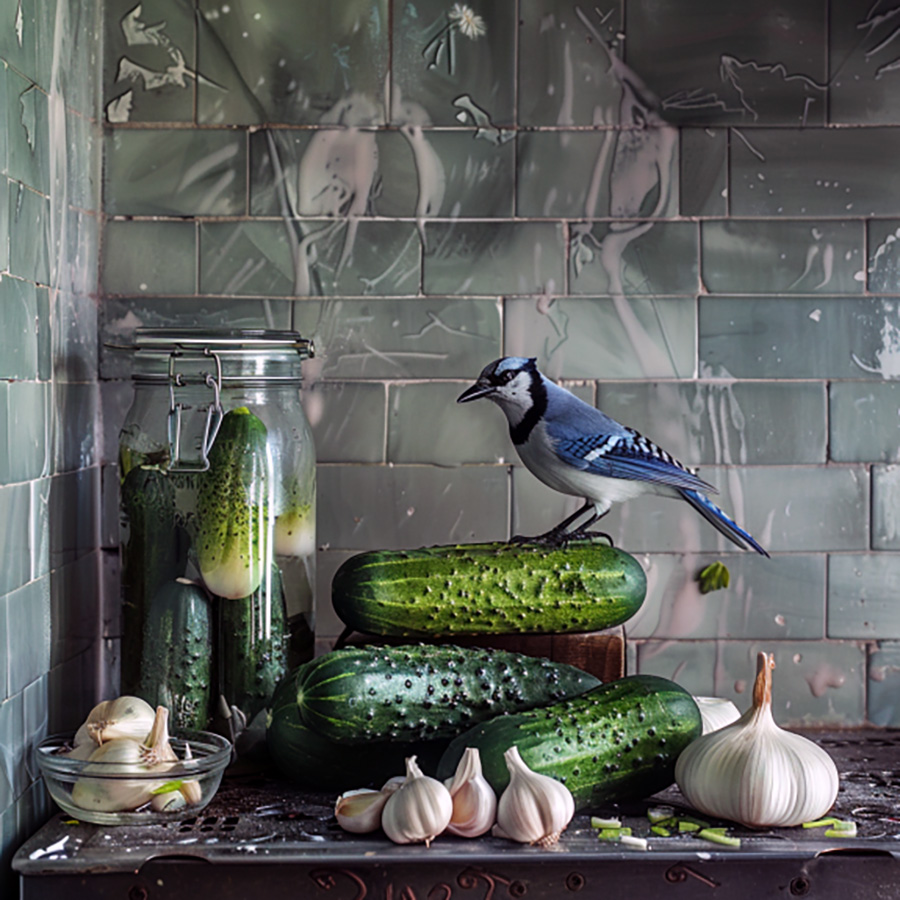
In a humid August kitchen, blue jays squawk as cucumbers, onions, and garlic lie in preparation for pickling. The search for canning supplies consumes days, while memories of a mother's past canning intertwine with reflections on inherited traits and parenting. |
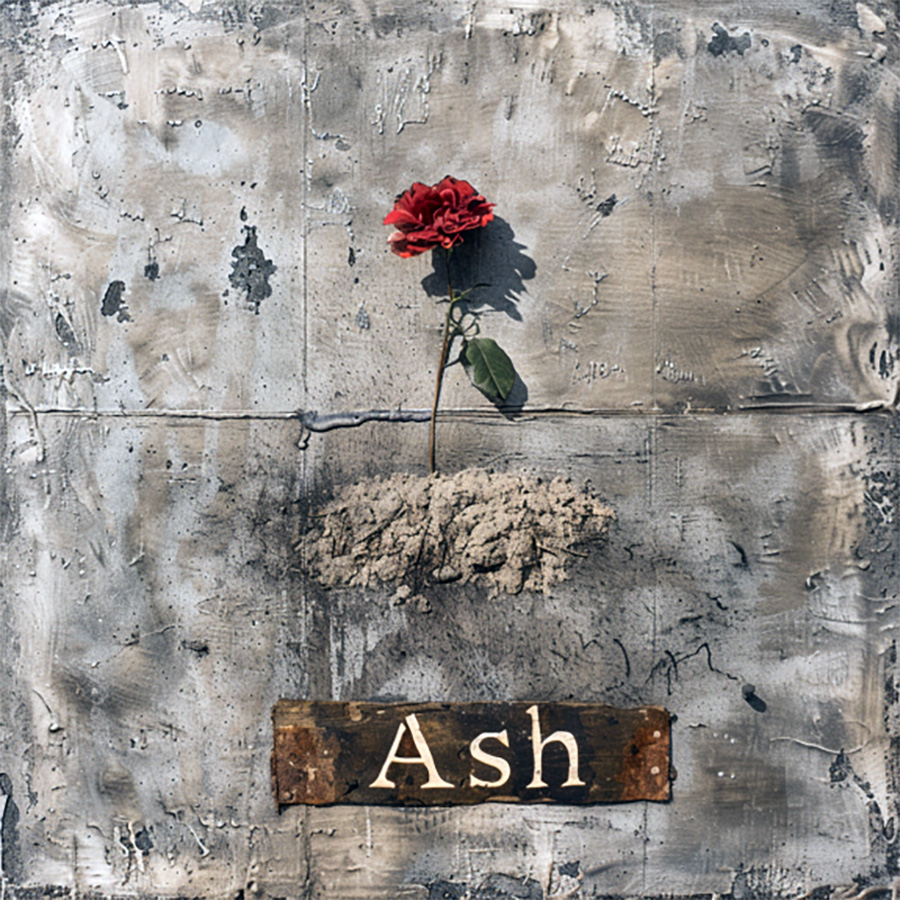 At a grave, the narrator receives a box of ashes, the remains of a loved one. Struggling to find poetry in the moment, they recount the cremation process and the stark reality of loss. |
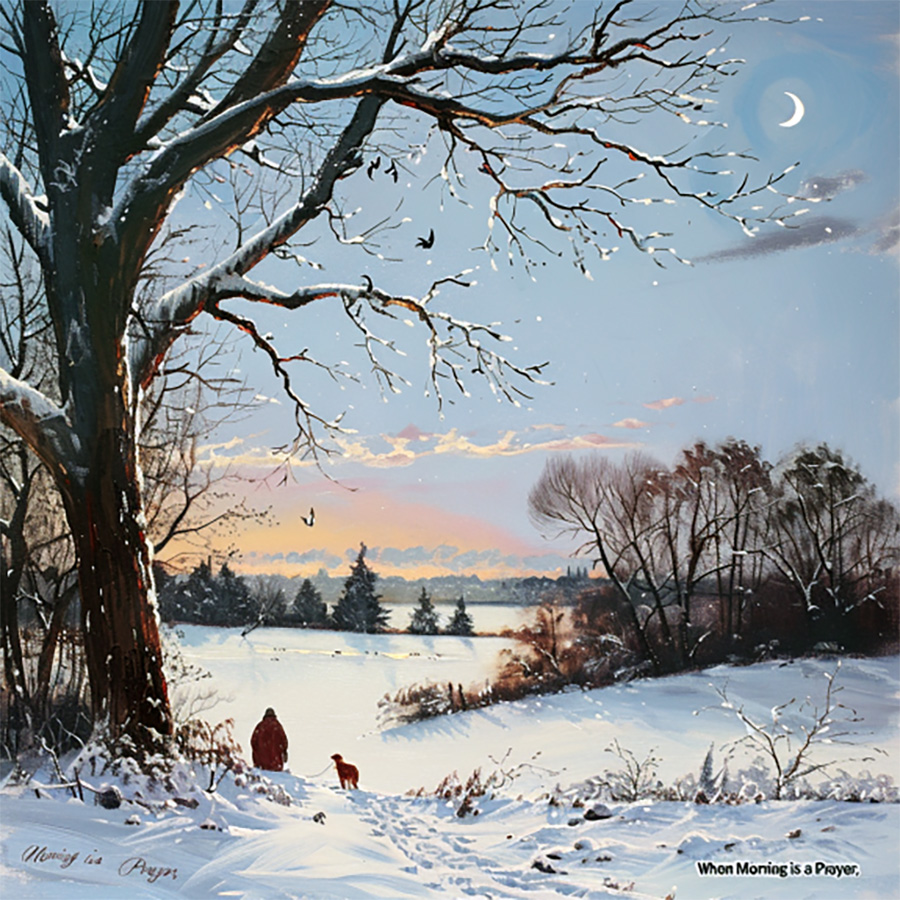 In "When the Morning is a Prayer," Kathleen Cassen Mickelson captures the serene beauty of a winter morning in Minnesota. The poem unfolds like a series of cherished gifts: |
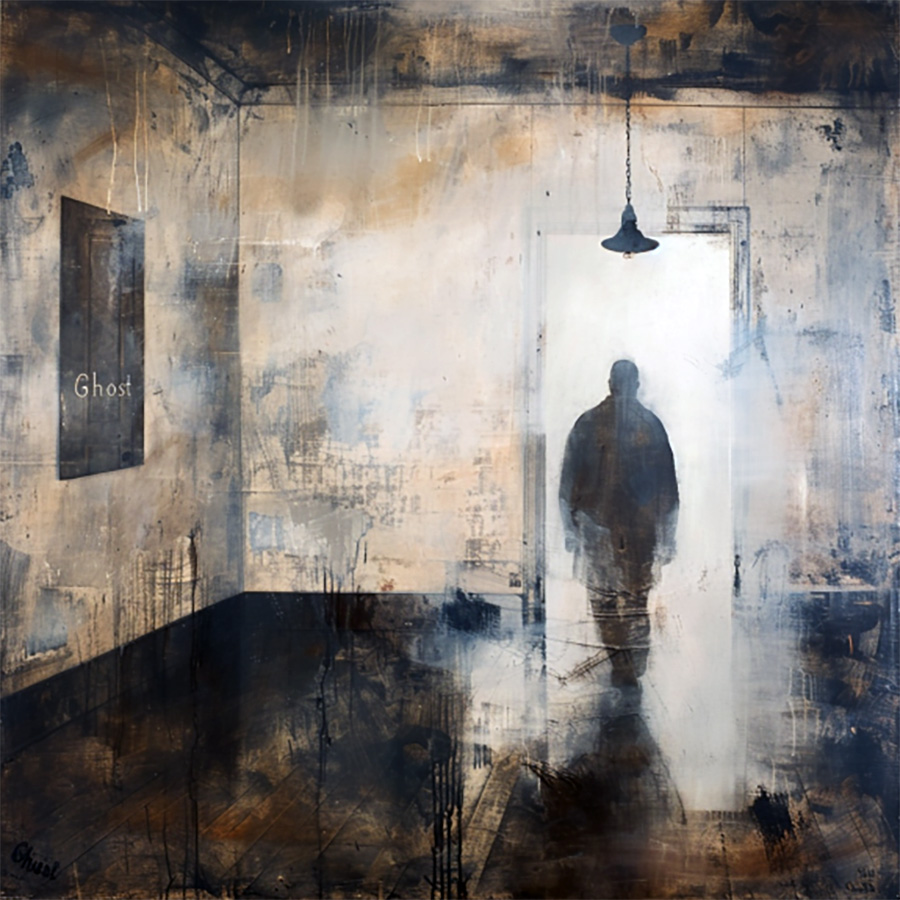 "Ghost" by James Graham is a hauntingly beautiful exploration of memory and loss. In the quiet aftermath of a loved one's passing, the poet describes the emptiness of a house once filled with life and conversation. As time passes, memories of the departed begin to resurface vividly--their eyes, voice, and laughter lingering like a comforting ghost. Graham's poignant verses capture the enduring presence of those we have lost, transforming grief into a gentle daily companion that brings solace and quiet strength. This poem is a touching tribute to the enduring power of love and memory. |
Rich in Monsters
frankminted (adj.) — rich in monsters; abundantly supplied with strange, uncanny, grotesque, or supernatural beings; coined for The Linnet’s Wings Halloween 2026 issue.
Archive Search
Jingle
As soon as the coin
in the coffer rings,
a soul from
purgatory springs.
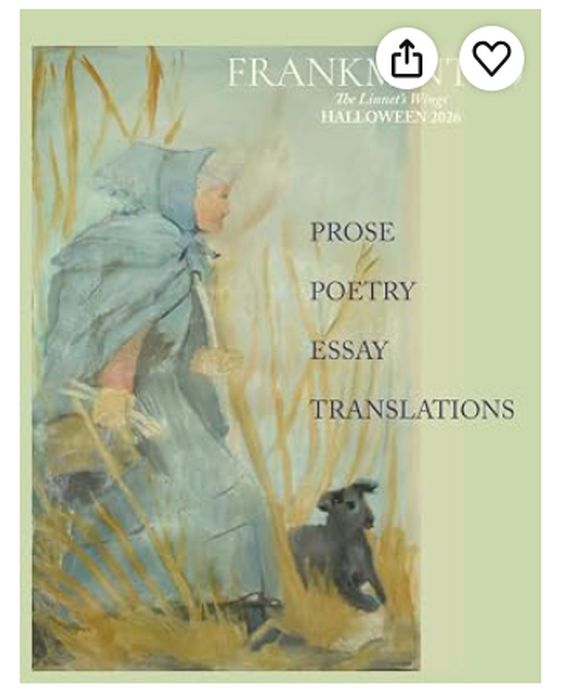
Cover for our Halloween 2026 magazine.
Image Old Mother Autumn, 2026
Mixed Media on Card, Artist, Marie Fitzpatrick
Requiem to the Forgotten
Step into a spellbinding All Hallows' Eve where music transcends the living and the dead. Requiem to the Forgotten is an enchanting tale of spectral orchestras, legendary composers, and the undeniable power of melody. From Liszt’s haunting sonnet to Freddie Mercury’s dazzling entrance, the stage is set for a concert unlike any other—complete with witches on bicycles, a poetic tribute to lost souls, and a surprise appearance by Death itself.
Mari Fitzpatrick's richly imagined story blends humor, reverence, and a touch of the supernatural, inviting listeners to reflect on the timeless connection between art and the human spirit. Whether you’re a fan of classical music, theatrical storytelling, or eerie yet heartwarming tales, this podcast will leave you spellbound.
Tune in to experience an unforgettable night where the echoes of the past resonate with the living.
All rights reserved
No part of this publication may be reproduced, distribut-ed, or transmitted in any form or by any means, including photocopying, recording, or other electronic or mechan-ical methods, without the prior written permission of the publisher, except in the case of brief quotations embod-ied in critical reviews and certain other noncommercial uses permitted by copyright law.
For permission requests, email the publisher at: thelinnetswings@gmail.com
Ghosts & Other Presences
Twenty-three pieces from across the archive explore the things that refuse to disappear. Ghosts walk beside memory; old stories carry supernatural bargains and strange encounters; graveyards, autumn skies and haunted landscapes keep their own company. Some of these presences belong to folklore, some to grief, and some simply to the uneasy knowledge that the past is rarely as absent as we imagine.

18 Sep 2026 · Mari Lynam Fitzpatrick
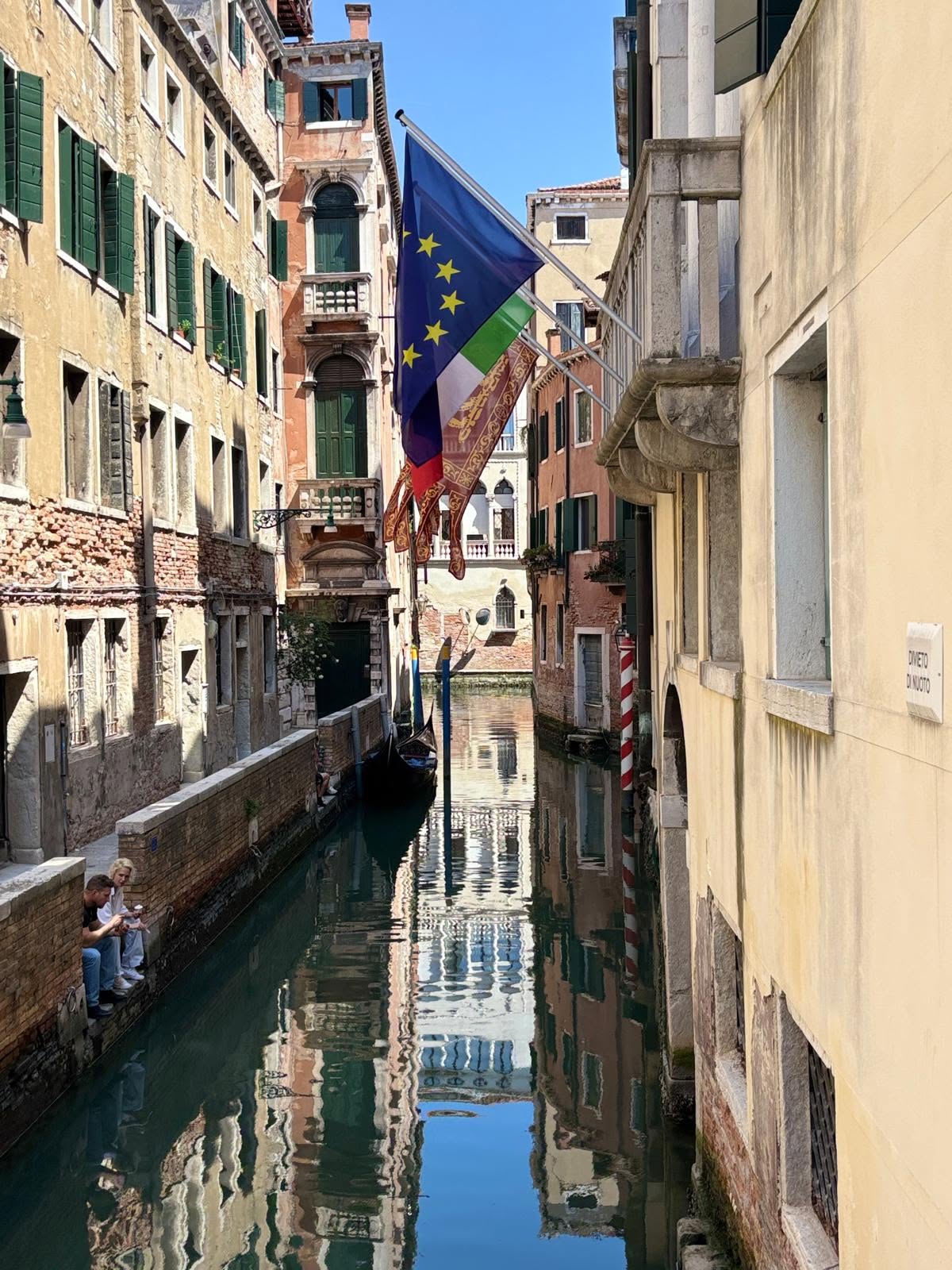
I took the first of these photographs in Sarajevo, beside the Catholic Sacred Heart Cathedral, in the old part of the city.
You can’t miss the sign on the wall adjacent to it. High above the street is a poster calling attention to the Srebrenica Genocide Memorial Exhibition. In it, an elderly face looks down over the square, and beneath are four words:
You Are My Witness.
Faery Gold
Irish folklore opens a door onto a world in which gold, enchantment and supernatural beings remain perilously close to ordinary life.
The Pact
Family history and Nordic folklore meet in a story of inherited secrets, strange beings and a supernatural bargain whose presence reaches across generations.
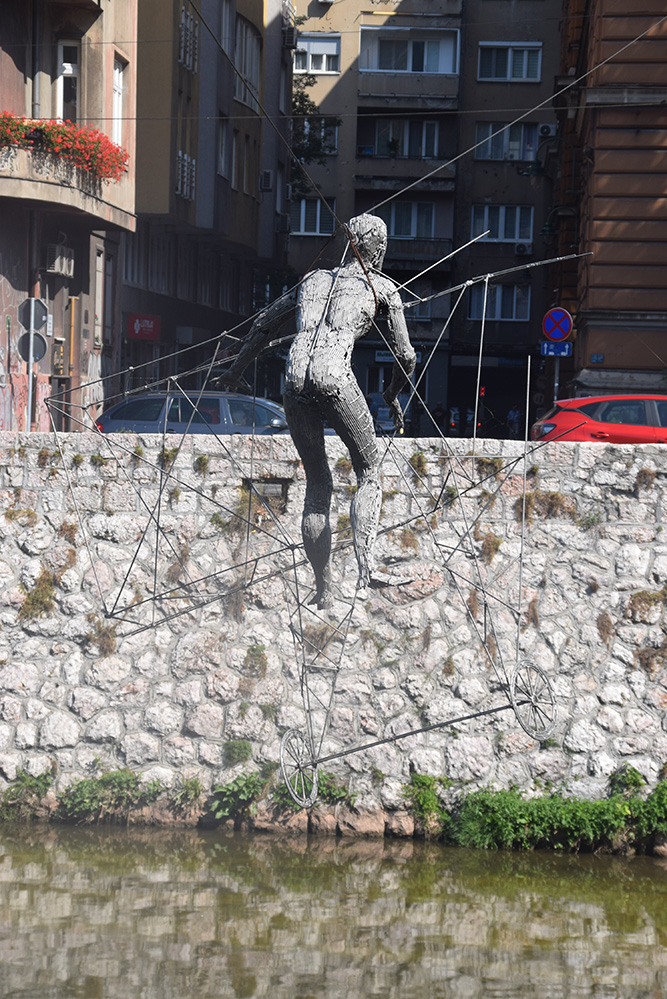
The Equilibrists Over River: Symbols of Resilience, Hope, and Unity. They were created by Enes Sivac in 1993 to hang over the main river, created in a time of war and grief and carved from energy found in the darkest days.
Mari Fitzpatrick, Sarajevo 2026
A Shadow of Doubt
Ghostly encounters draw past and present together as memory, regret and reconciliation move between an older woman and a younger generation.
Cassiopeia's Hair
A mysterious book, superstition and an unexplained death disturb the familiar world, suggesting hidden connections between stories and the lives of those who read them.
Every Stick
A scarecrow inhabits an eerie, desolate landscape in a haunting little tale of isolation, fate and the strange life we sometimes grant to familiar things.
Ghost
Loss leaves its own presence behind. Memory enters the quiet spaces of absence until remembrance itself begins to resemble a ghost.
Adventures of a Dead Body
A funeral procession encountered at night becomes, in Don Quixote's imagination, an adventure populated by phantoms, danger and all the splendid errors of chivalric romance.
Fumus Autumnus
Squirrel, hazelnut shells, Halloween twilight and bonfire smoke gather into an autumn poem in which the familiar season acquires a faintly unsettling edge.
Poe-ish
Wet mist, deadwood, wipers and crow-haunted roads create a brief Gothic journey where weather and memory seem to summon ghosts of their own.
Death / Leaving
Burial, grief, seagulls and memory meet in a graveyard meditation that holds farewell beside the continuing presence of the dead.
In Bellaghy Graveyard
Sycamore, winter stone, silence and wren-song surround a grave in a quiet meditation where grief and memory leave room for hope.
Cut Loose
A grieving father becomes a kite and asks his child to release him into an October sky: a strange and tender transformation of loss into letting go.
The Ghosts of Devon
Vampires, Ghosts and the Dead Returned
A childhood Halloween recollection revisits the creatures, warnings and half-believed terrors that made autumn nights feel alive.
My Dead Love Came In
At an Irish wake, music, laughter and an unexpected coffin mishap lead Liam’s widow to offer one last dance.
Moonlighting
Bitten in Romania, Benji faces Halloween with a werewolf’s strength—and discovers that revenge plans can go badly awry.
The Awakening
A visitor’s night on a Caribbean island turns into a brutal supernatural reckoning with Baron Samedi.
Ancestor
A long-dead frontier woman continues to watch over the family, her fierce history lingering in a portrait that unsettles the children.
Shadow People
At Violet Ridge, fear of shadow people tests the ties between three cousins and the way each understands the unseen.
The Haunting
After a mother’s household erupts in a morning of frustration, she tells the police a ghost was responsible—a spare poem about exhaustion and the stories that follow it.
Dance of the Dead
On Hallows Eve, graves open and the dead rise to draw the unwary into a macabre dance.
Magic Mirror
An amusement-park ride carries visitors toward an unexplained realm; one woman returns changed, fading from the life she once shared.
Pillow
A vanished young woman appears at the edge of the park, where her friends wait with a blanket and a sense that they are all ghosts.