NEW WORLD POETRY
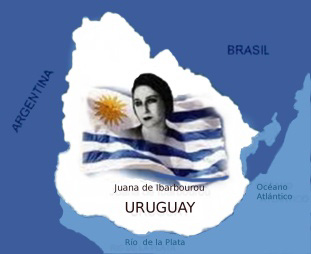
Juana de Ibarbourou By Stephen Zelnick
High school Literature teachers could do worse than to start with Juana de Ibarbourou's poetry. She wrote love poems -- sweet and lyrical and sexually tinged -- in her youth, and more somber poems of love and loss in her maturity. Her poems are formally arranged, musical, with dutiful rhyme and regular metrics. She excels at sincerity, with imaginative turns of uncomplicated symbolic reference, and settled with a voice appropriate to feelings. Her perspective is not much wider than the devotions of the young, with infrequent notice of history and politics or the ironic twists of an uncertain future. The moment is emphatically "what I am feeling now and have a perfect right to feel, no matter what others may say." And, truth to say, that flight into the unrepentant "now" is what many poetry readers hope for.
She was born in Melo, Uruguay, in 1892 and baptized Juana Fernandez Morales. Her family was well-to-do,and she benefitted from the freedom of modest wealth, without pressing expectations. She roamed in woods and fields, as her poetry delightfully reports. Juana was stylish and movie-star beautiful. At twenty, she married Captain Lucas Ibarbourou, moved with him to Montevideo, and enjoyed a quiet and loving marriage until his death in 1942. In 1929, Uruguay named her "Juana de America" in honor of her growing fame in Latin America.
There are few hints of trouble in her biography.After she burst upon the scene with Las Lenguas de Diamante(1919) and Raíz Salvaje (1922), her poetry trails off in volume and intensity, and then pauses in 1930. During that hiatus, she travels, accepts plaudits, meets notable artists in Europe, and becomes a member of the arts establishment in Uruguay. She writes radio plays, prose fiction, and works for children.
Her poetic voice falls silent until 1950, when after her husband's death she finds new themes and a darker voice. Her later poems are more tightly organized, with less obvious symbolic references. There is more light irony and delicate hints of anguish. Her mature work continues to be personal, even though Uruguay in her era endured painful economic depression, WWII fears, worker unrest and growing violence. She dies in 1979 in a Uruguay rocked by Tupamaros insurgency and the hard boot of military repression. She is not Neruda, the radical Uruguayan historian Eduardo Galeano, or the rebel leader Jose Mujica, who would serve years
later as Uruguay's beloved President.
Juana de Ibarbourou is sometimes grouped with two other poets of her time and region - Gabriela Mistral (Chile) and Alfonsina Storni (Argentina). They offer a simple schema of social class and poetic focus. Storni differed most from her Uruguayan contemporary. Storni's poetry is dramatically complex, feminist and sexual (The Linnet's Wings, Summer 2015). Alfonsina is theatrical. Her style is not musical, but founded on character in dramatic action. She mocks romance, in our modern style. Born to a middle-class commercial family that failed, she had to live by her wits. While no classic beauty, she was vivacious, engaging lovers, struggling to raise a child out of wedlock, and spending evenings singing tango in Buenos Aires bars. While often mentioned together, the conventional Juana and bohemian Alfonsina represent divergent female fates.
Gabriela Mistral was born in dusty poverty in an Andean village in northern Chile. The Catholic Church educated her, and she became a rural schoolteacher, devoted life-long to educating the poor children of Latin America. Unlike her bourgeois sister-poets, romantic love played little role in her art. Like Ibarbourou, Mistral was a devout Christian and wrote extensive children's verse. Racial antagonism and the plight of the poor supply regular themes in her work. Mistral engaged her feelings in her politics and helped found UNESCO. She advocated public education and recognition for women's social roles throughout Latin America. Even today, one finds schools named for her and multiple editions of her cradle songs. Gabriela was poor and plain, an artist of varying styles and great talent, reaching out beyond personal concerns.
Ibarbourou's early poetry is often giddy with youthful spirit and gay carelessness. "The Sweet Miracle" (Las Lenguas de Diamante, 1919) is a delicious comfit of a song:
El DULCE MILAGRO
The Sweet Miracle
¿Que es esto? ¡Prodigio! Mis manos florecen.
What's this? Prodigious! My hands flower.
Rosas, rosas, rosas a mis dedos crecen.
Roses, roses, roses grow at my fingers.
Mi amante besóme las manos, y en ellas,
My lover kissed my hands, and in them,
¡oh gracia! brotaron rosas como estrellas.
gracious! roses broke out like stars.
Y voy por la senda voceando el encanto
I walk the path proclaiming the spell
y de dicha alterno sonrisa con llanto
and smile from joy, then weep
y bajo el milagro de mi encantamiento
and under the miracle of my enchantment
se aroman de rosas las alas del viento.
scents of roses fill the wind's wings.
Y murmura al verme la gente que pasa:
And people who see me pass murmur:
"¿No veis que está loca? Tornadla a su casa.
"Not seen the crazy girl returning home?
¡Dice que en las manos le han nacido rosas
She says that roses grew in her hands
y las va agitando como mariposas!"
and they are fluttering like butterflies!"
¡Ah, pobre la gente que nunca comprende
Oh, how poor are those who never grasp
un milagro de éstos y que sólo entiende
this sort of miracle and understand only
Que no nacen rosas más que en los rosales
that roses grow on rose bushes
y que no hay más trigo que el de los trigales!
and wheat in fields of wheat!
Que requiere líneas y color y forma,
Those who require lines and color and form,
y que sólo admite realidad por norma.
and admit reality only by norm. Those who,
Que cuando uno dice: "Voy con la dulzura",
when one says: "I go with gentleness,"
de inmediato buscan a la criatura.
look around to find her.
Que me digan loca, que en celda me encierren
Those who call me crazy, and would lock me
que con siete llaves la puerta me cierren,
in a cell with seven keys,
que junto a la puerta pongan un lebrel,
and place a greyhound near the door,
carcelero rudo carcelero fiel.
a rude trustworthy jailer.
Cantaré lo mismo: "Mis manos florecen.
Still, I will sing: "My hands grow flowers,
Rosas, rosas, rosas a mis dedos crecen".
Roses, roses, roses spring from my fingers."
¡Y toda mi celda tendrá la fragancia
And all my cell will fill with the fragrance
de un inmenso ramo de rosas de Francia!
of a huge bouquet of roses from France!"
The poem rollicks with childish glee, served on a platter of simple syntax and juvenile rhymes - florecen/crecen; rosas/mariposas; rosales/trigales - and flares of excitement - "Que es esto?" "!oh gracia!". Two pairs create things magically out of rhyme alone - "lebrel/fiel", a character invented for the rhyme - and the delicious "fragrancia/Francia" that is sheer silliness, a perfect expression of carefree youth, love, and fancifulness.
"Millonarios" (Raíz Salvaje, 1922) imagines the wealthiest man of the village envying such joy:
Millonarios
Tómame de la mano. Vámonos a la lluvia
descalzos y ligeros de ropa, sin paraguas,
con el cabello al viento y el cuerpo a la caricia
oblicua, refrescante y menuda, del agua.
¡Que rían los vecinos! Puesto que somos jóvenes
y los dos nos amamos y nos gusta la lluvia,
vamos a ser felices con el gozo sencillo
de un casal de gorriones que en la vía se arrulla.
Más allá están los campos y el camino de acacias
y la quinta suntuosa de aquel pobre señor
millonario y obeso, que, con todos sus oros,
no podría comprarnos ni un gramo del tesoro
inefable y supremo que nos ha dado Dios:
ser flexibles, ser jóvenes, estar llenos de amor.
Millionaires
Take my hand. Let's go out in the rain
bare-headed, lightly dressed, no umbrellas,
wind in our hair, caressing our bodies --
forgetful, refreshed, and washed clean.
Let neighbors laugh! It's just we're young
and both love the rain,
we go to be happy in simple joy,
two loving sparrows cooing down the road.
There are fields, a road of acacias, and the
sumptuous estate of that poor gent,
the fat millionaire, who with all his gold,
could not buy us one gram of the treasure,
inefable, supreme, that God has given us:
to be agile, young, and full of love.
Thirty years later, "Amanecer" (Oro y Tormenta, 1956), exemplifies her subdued spirit:
AMANECER
El áureo hexámetro o la cuaderna vía
domar quisiera para hallar el canto
que abre en mi pecho el signo del encanto
en la primera luz del nuevo día.
¿Cómo decir mi nardo de alegría,
la clara yema del ceñido acanto,
y hasta el hilado treno del espanto
de la paloma que la sierpe espía?
¿Cómo decir el valle, la majada,
el recental de hambre apresurada,
mi aliento, en humo, al frío convertido,
la sensación profunda de la vida
en el lento minuto de la huída
de la noche, ante el sol recién bruñido?
Awakening
I would tame the golden hexameter, the
notebook's lines, by finding the song that
opens the sign of enchantment in my breast
in the first light of the new day.
How to speak of my bud of happiness,
the clear yolk of snug pleasure,
and even the twisted braid of fright
when the dove glimpses the serpent?
How express the valley, the crushed spirit,
and the rush of hurried hunger,
my breath, the mist, turned cold,
the profound sensation of life,
in the brief momento, as night escapes
before the sun once more is burnished?
Here the speaker begs for what comes easily in youth. The poet seeks lines to fit feelings, words now a sign of enchantment rather than enchanted themselves. She waits for the "brief sensation of life", a mere glimpse of youth's joy. The poem is highly crafted and packed tight with imagery carried by consistent symbolic architecture. The second quatrain is nothing like her earlier verse, offering little gems - "la clara yema del ceñido acanto" ("the clear yoke of snug pleasure"); and "el hilado treno del espanto" ("the twisted braid of fright"). And "el recental de hambre apresurada" ("the rush of hurried hunger"). As with most of her later work, Ibarbourou casts her charms within the comforting confines of the classical sonnet, its order enforced by the antique simile of dawn and emotional awakening.
"Raíz Salvaje", also the title of her 1922 volume, demonstrates growing skill in her earlier work:
RAÍZ SALVAJE
Me ha quedado clavada en los ojos
la visión de ese carro de trigo
que cruzó rechinante y pesado
sembrando de espigas el recto camino.
¡No pretendas ahora que ría!
¡Tu no sabes en qué hondos recuerdos
estoy abstraida!
Desde el fondo del alma me sube
un sabor de pitanga a los labios.
Tiene aún mi epidermis morena
no sé que fragancias de trigo emparvado.
¡Ay, quisiera llevarte conmigo
a dormir una noche en el campo
y en tus brazos pasar hasta el día
bajo el techo alocado de un árbol!
Soy la misma muchacha salvaje
que hace años trajiste a tu lado.
Wild Root
It's still stuck in my eyes
the vision of this wagon with wheat
that crossed by, wobbling and heavy,
scattering bits along the road.
You don't think I'd be laughing now? Well,
you don't know in what deep thoughts
I now wander!
From the bottom of my soul arises
the sweet fruit taste of your lips.
Even now my tanned and weathered skin
gives out fragrances of threshed wheat.
Ah, I wanted you to come with me
to sleep one night in the fields, to
pass the night till day-break in your arms
beneath a tree's wild canopy!
I am still that same country girl
you drew down beside you years ago
It's the sort of thing D. H. Lawrence would have loved, and not just for the hearty lust but for the evocation of the country-side, that "wagon with wheat" left rumbling in the imagination, where every scattered bit is treasured despite the years. The miracle of that perfect moment preserved in weathered skin that continues to emit wheat's fragrances.
"La Hora" (Las Lenguas de Diamantes, 1919) belongs among her poems of passion:
LA HORA
Tómame ahora que aún es temprano
y que llevo dalias nuevas en la mano.
Tómame ahora que aún es sombría
esta taciturna cabellera mía.
Ahora que tengo la carne olorosa
y los ojos limpios y la piel de rosa.
Ahora que calza mi planta ligra
la sandalia viva de la primavera.
Ahora que mis labios repican la risa
como una campana sacudida a prisa.
Después..., ¡ah, yo sé
que ya nada de eso más tarde tendré!
Que entonces inútil será tu deseo,
como ofrenda puesta sobre un mausoleo.
¡Tómame ahora que aún es temprano
y que tengo rica de nardos la mano!
Hoy, y no más tarde. Antes que anochezca
y se vuelva mustia la corola fresca.
Hoy, y no mañana. ¡Oh amante! ¿no ves
que la enredadera crecerá ciprés?
The Hour
Take me now though it's early
and I carry fresh dahlias in my hand.
Take me now, the day so sombre,
With my hair a moody mess.
Now that I have sweet flesh,
clear eyes and skin of roses.
Now that the quick springtime sandal
plants its light step.
Now that my lips ring with smiles
like a bell struck hurriedly
Afterwards ... ah, I know
later, I will have none of this.
Then your desire for me will fade,
like an offering placed at a mausoleum.
Take me now though it is early
and I have the riches of lavender in my hand!
Today, and not later. Before the night
turns the fresh blossom musty.
Today, not tomorrow. Oh Love! Don't you see
that vines will creep upon the cypress?
This female "Carpe Diem" is brisk and urgent. The thoughts move excitedly and hit upon fresh images:
"sweet flesh, /clear eyes and skin of roses"; "the quick springtime sandal"; and the delightful "my lips ringwith smiles/ like a bell struck hurriedly." Even somber, the speaker's mind is radiant: "your desire for me will fade, /like an offering placed at a mausoleum." The speed and precision of these images describe the flash
of mind of the woman mad for love. "Pantheism" (Las Lenguas de Diamante, 1919), while more sedate is alive with imaginative thinking. A young
woman, still aglow with love-making, feels first the warm pulse of earth, then senses the magical possibilities moving in her womb:
Panteísmo
Siento un acre placer en tenderme en la tierra,
bajo el sol matutino tibia como una cama.
Bajo mi cuerpo, ¡cuánta vida mi vientre encierra!
¡Quién sabe qué diamante esconde aquí su llama!
¡Quién sabe qué tesoro, dentro de una mirada,
surgirá de este mismo lugar donde reposo,
si será el oro vivo de una era sembrada,
o la viva esmeralda de algún árbol frondoso!
¡Quién sabe qué estupenda y dorada simiente
ha de brotar ahora bajo mi cuerpo ardiente!
Futuro pebetero que esparcirá a los vientos,
en las noches de estío, claras y rumorosas,
el calor de mi carne hecho aroma de rosas,
fragancia de azucenas, y olor de pensamientos.
It is rare in her poetry for Ibarbourou to link physical nature, her bodily sense, the prospects of history ("Futuro pebetero que esparcirá a los vientos"), and theflesh as a kind of thinking ... a with it, the ebullience of hope embedded in the now.
Pantheism
Such pleasure, stretched out on the earth,
under the morning sun, warm as a bed.
Deep inside, what life brightens my womb!
Who knows what diamond flame hides here!
Who knows what treasure, at a glance,
will surge from this very place of repose,
perhaps the living gold of a seminal era,
or the live emerald of some lush tree!
Who knows what stupendous rich seed
blossoms now deep in my burning body!
Fuse of the future, scattering to the winds
in summer nights, clear and murmuring,
the heat of my flesh, scented with roses,
fragrance of lilies, scented with thoughts.
Oro y Tormenta (1956) represents Ibarbourou's mature phase. "Soledad" grieves for her lost
beloved -- classical, inventive, composed, the poet in command of her art:
SOLEDAD
Me da tu rostro pálido, la espuma.
Me trae el día el ritmo de tu sueño.
En todo fleco de tiniebla o bruma
se me arrebuja mi dolido ensueño.
Triste, mi queja, flor de zarza, eleva
la pesadumbre de ser casi espina.
El aire, un grito redondeado lleva
más allá de mi casa en la colina.
Donde estás tú, el dueño, va ese grito,
brizna del eco, entre el infinito
mundo del viento y de la luz cernida.
Llega hasta ti, donde no va la ausente,
la que siempre se queda oscuramente,
olvidada entre un pliegue de la vida.
This elegy forms at the boundary "entre el infinito/ mundo del viento y de la luz cernida" and an"oscuramente" mundo "donde no va la ausente." The image of sewing slides gently through the poem: the "gossamer of darkness",the cry that "threads" from here to there; and the "pleated folds of life" as if the poem
Loneliness
Show me your pale face, in rising mist.
Bring me each day the rhythm of your dream.
In all the gossamer of darkness or mist,
my doleful reverie envelops me.
Sad, my complaint, a barbed flower,
rousing the nightmare of being like a thorn.
In the air an echoing cry rises
once again from my house on the hill.
"Where are you, my master?" goes this cry,
an echo threading from this infinite
world of wind and light like sifted flour.
It comes to you, where absence never leaves,
where the cry remains dark-shadowed,
was come upon in this casual domestic act.
Her memory pricks, thorn-like, recalling the crisis on discovering her beloved's sudden death, an echoing cry that cannot be silenced. Her journey does not console but arrives at the obscure nether world "where absence never leaves." It is a sad poem, quiet, bringing no relief.
"OTOÑO DEL SUR" shows precise observation delightful whimsy, and play of language:
OTOÑO DEL SUR
Con menta y con llantén llega el Otoño,
nuestro Otoño del Sur: verdes limones,
gravidez del naranjo, Abril bisoño,
últimas uvas dándose encontrones
Autumn arrives with mint and plantain,
our southern Autumn: green lemons,
bushels of oranges- unripe in April
the last grapes come crashing
con las primeras, agrias mandarinas.
La chaqueta de tweed cobra derecho
de maternal auxilio, en las esquinaste
donde el picante viento está en acecho,
with the first, sour tangerines
Tweed jackets cover us just right,
with maternal assistance, right where the
sharp wind waits in ambush to prick you,
y retorna la cálida dulzura
de la casa abrigada, la ternura
del fuego, de la manta bien tejida,
and on your return, the sweet warmth
of the sheltering house, the tenderness
of the fire, of the blanket well woven,
el amor de los seres que guardamos,
y la vigencia de los duendes, amos
de las menudas gracias de la vida.
the love of those souls who guard us,
and the vigilance of gnomes, master
of life’s small graces
The poem opens with a cascading inventory of autumn fruits we have enjoyed -- the poem supposes "agrias
mandarinas", and the late grapes rushing in upon the earliest springtime crop (right across a stanza barrier).
The portrait of dressing warm against the cold, packed in against the wind's icy ambush, and the sheltering hearth is deftly sketched. The fanciful gnomes -- "amos/ de las menuas gracias de la vida" -- cap the magic.
The poem moves rapidly, even in the languor of memory and the riotous play of sound.
"Paz", an anti-war poem, is a rare instance where she treats the wider world and its pain:
Paz
Peace
La materna sombrilla de los pinos
Your mothering parasol of pines
entre las rojas flechas de febrero
shields my shining shoulders from
y mis hombros lucientes; ah, qué finos,
February’s harsh arrows; ah, how fine
los pañuelos del aire del acero.
your handkerchiefs of air and iron.
El agua se ha llenado de espejitos.
The water has filled with tiny mirrors.
Todo, sobre la tierra, centellea.
Sparkling all over the earth, quieting
¡La bulliciosa tierra de los gritos,
the cries of pain of the noisy world,
el mordisco, la zarpa y la pelea!
the bite and claw of warfare!
Pero tú dulcificas la batalla,
But you sweeten the battle,
como un ángel sin alas y sin malla,
like a splendid angel, not only with wings,
espléndido, de brazos poderosos. fine-woven,
but powerful arms.
Hasta el viento se vuelve de azucenas
With you, the wind’s blast turns to lilies
y hasta las fieras me parecen buenas,
and even beasts seem good, in a world
si tercias en la riña de los osos.
so ripped apart by quarreling bears.
“Paz” is an apostrophe to “Peace”, figuring it in things both diaphanous and iron-tough. Thus, peace is a “materna sombrilla” (a mothering pine) and also a shield against “February’s fierce arrows”.
The airy-needled boughs seem porous, a handkerchief, but provide a sturdy shield. The image returns in the first tercet with “fine-woven wings” wielded by “powerful arms.” The image suggests public statuary. The poem’s second image of tiny mirrors sparkling out to quiet “the cries of pain of the noisy world” invites a magic transformation of “el mordisco, la zarpa y la pelea.” Peace, as the breeze filtered by the pines, turns the cold blast of winter winds to lilies and pacifies the raging beasts of violence, in a world “ripped apart by quarreling bears.”
“Como una ascua d Miel” is much nearer Ibarbourou’s strength and shows her boldness in leaving a brilliant and tangled image to bloom in the reader’s mind:
COMO UNA ASCUA DE MIEL
Like an Ember of Honey
De la brasa de amor que me consume
From the ember of love that consumes me
se alza la rosa de tu epifanía.
emerges the rose of your epiphany.
Canto de gozo en la mitad del día.
I sing joyfully in the midst of day. A
Sagrada columnita del perfume.
thin column of incense streaming upward.
Fuego azul y elevado que me insume
The blue smoke rising swallows me, in
tiempo de llanto y hora de alegría.
a time of tears and an hour of happiness.
Cantares en sazón de letanía.
You sing in the ripening litany, a
Tórtola fiel y ruiseñor implume.
faithful turtledove and plumed nightingale.
La espesa sombra derrotada ha sido
The thick haze has been scattered
por la llama feliz, clara memoria
by the happy blaze, the clear memory
de tu beso, en mi pecho estremecido.
of your kiss, spreading through my breast.
Sólo leal a la tenaz historia
Loyal only to the firm-gripped history
de tu amor y mi amor, lirio encendido
of your love and mine, a glowing lily
como una ascua de miel sobre la escoria.
like an ember of honey in the ashes.
This is another poem of mourning. It succeeds through its calm and inventive reverie, moving as if magically to crystallize the closing image. An “epiphany” in Greek is a sudden and striking realization. As James Joyce noted, much of literature is epiphany, his short stories structured on suddenly uncovering a hidden truth.
But the term has also a christian significance as revelation, linking her loyalty to religious devotion. Her last Volume, to her dead lover envelops and consumes her, like the rising voice accompanies the service, like the song of turtledove and nightingale. The idea of burning and passion and all-consuming devotion continues conventionally until the shock of the close, an epiphany, the “ascua de miel sobre la scoria” that transfigures the thought into a rapturous image
“Resurrección “continues this display of inventiveness and stunning surprise
RESURRECCIÓN
Resurrection
He de tener mis sauces, mis mastines,
I will have my tastes, my mastiffs,
mis rosas y jacintos, como antes,
my roses and hyacinths, as before,
han de volver mis duendes caminantes
my walking ghosts will return
y mi marina flota de delfines.
and my boat drawn by dolphins.
Retornarán los claros serafines,
The pure seraphim will return,
mis circos con enanos y elefantes,
my circus with its dwarfs and elephants
mis mañanas de Abril, alucinantes,
my April mornings, and my hallucinations,
en mi caballo de alisadas crines.
upon my horse with his smooth mane.
He de beber la vida hasta en la piedra
I will drink life down to bedrock,
y en el menguado zumo de la hiedra
even the stingy juice of the clinging ivy
y en la sal de la lágrima furtiva,
and the salt of a furtive tear,
porque regreso de la muerte y tengo,
because returning from the dead I will know
el terror del vacío de que vengo
the terror of emptiness, when I come again
y la embriaguez hambrienta de estar viva.
to the starved drunkenness of being alive.
Life’s carnival collides with oblivion, her daily joys – walking her grand dogs through the garden – with phantasms and boats “flota de delfines.” Some of the fantasy has been lost to her, those “claros serafines”, but she will beckon them with poetic figures of circus extravagance, her “alucinantes” of being the bare-back rider, sure in her motions. This world offers variety and delights but also incomplete satisfaction, “the stingy juice of the clinging ivy" and private mourning. Having taken the journey to the world of the dead, and its “terror if emptiness she embraces thishodge-podge world. It will be enough “when I come again/ to the starve drunken'ness of being alive.” That last line captures a “Carpe Deum” thought in novel images.
“VÍSPERA DE VIAJE” forges bravely outward into the world:
VÍSPERA DE VIAJE
Evening before the journey
He de hallar la pajiza flor del alba,
I will find the straw-colored flower of dawn,
el mielado fulgor de la mañana
the honey-glow of morning,
que todo embrujo de la noche salva,
a morn bewitched by night’s greeting,
para empezar mi vida americana.
to begin my American life.
Esa de Nueva York ancha y absurda
Here in New York, huge and absurd
para nosotros, los latinos puros,
for us, the pure Latins,
que Dios construye con su mano zurda,
those who God constructed off-handedly,
sin contención, sin diques y sin muros.
with no boundaries, no dams or walls.
Mi tiesa piel criolla y española
I will fling my tough skin, Creole and
echaré sobre el hombro de una ola Spanish,
over my shoulder into the waves
al bajar en su puerto desmedido.
to settle in this boundless port.
He de vivir la vida neoyorquina,
I’ll live the life of a New York girl,
sin mi severa falda de latina,
without the severe skirt of a Latina;
pero el rosario al puño, suspendido.
my rosary dangling from my fist.
Ibarbourou’s life brought her fame but also isolation. Here she contemplates emerging anew to begin hern“vida americana.” It helps to recall that she was renamed “Juana de America”. Now she is off to New York, the metropolis of the New World, Uruguay never more than a hint of “America”. New York is boundless variety, ridiculous really, and, therefore, just right for Latins, a people God created “con su mano zurda”, great-hearted and absurd. She off-loads her aboriginal sensuality and Spanish reserve, to settle in this “boundless port.” The concluding stanza tells the tale, to be a “Neoyorquina a “New York girl”, she will have to ditch “the severe skirt of the Latina”, bound by harsh restrictions as a woman, and come at life anew, as a spiritual girl, holding her rosary, not in quiet devotion, but in her fist.
Juana de Ibarbourou is an accomplished poet. She is no bohemian or revolutionary, and silent on
feminist themes. Her poetry is personal, rarely engaging the world. Her imagery leans heavily on nature, usually with classical decorum, then rerouted into something surprising. She confines herself to rhyme and stric metrics, but
manages them artfully, employing her words with memorable effect within her musical format. She wrote delightful poems of youth and wise poems of maturity. Her work has faded from view, but it is worth recovering despite our prejudice for the shockingly new and obscurely woven. Uruguay is a temperate land, with fresh breezes, and these days well-mannered, middle-class, peaceful and confident; the sort of place well represented by its beloved Juana.
[Pic]
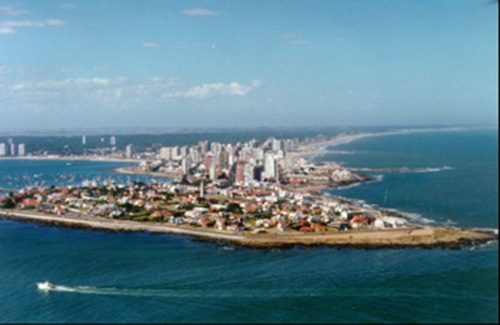
[Montevideo is Uruguay’s big city, with brilliant beaches and busy ports. The city attracted much of its population from Spain and Italy
during the 20th C.]
Bibliography:
Arbeleche, Jorge. Juana de Ibarbourou. Montevideo, Arca, 1978.
Ibarbourou, Juana de. Las lenguas de diamante/ Raíz salvaje. Ed. Jorge Rodríguez Padrón. Catedra, Letras Hispánicas. Madrid, 2011. Includes a 100-page introductory essay by the editor on the poet’s style and method.
. Obras Completas. Aguilar, Madrid, 1968.
. The most complete online collection of her poetry, and recorded readings in Spanish, are available at:
http://www.poesi.as/Juana_de_Ibarbourou.htm
Translation:Very little of Ibarbourou’s poetry exists in English in her unadorned style. No effort was made to capture her musical qualities, her rhymes and meters, in English.
[Pic]
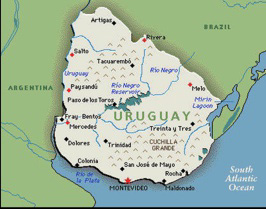
[Uruguay is a small country, in the south of South America, bounded by Argentina and Brazil. Unlike its neighbors, it was never the object of a rush for gold or plantation riches. Its climate is temperate and its land suitable for cattle. It’s extensive coast invites maritime trade. Uruguay is the second smallest country in South America, a mere 68,000 sq. miles, with a population of 3.3 million, 1.8 million of whom live in Montevideo. A middle-class country, Uruguay ranks high in wealth and income distribution and is one of the most liberal
nations on earth.]

[Pic]
[Ibarbourou’s face appears prominently around her poetry and on stamps and currency in Uruguay. There is no mystery why this would be so.]

[Pic]
[ Jose Alberto Mujica Cordano (“Pepe” to most) served two terms as President before retiring recently. He refused the opulent trappings of office, living modestly, driving his battered VW, and returning the bulk of his income to the nation. He had been a
Tupamaros leader and was imprisoned. While rejecting violence, he retained his Socialist commitments and put them into effect
[Pic]
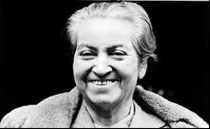
[Chilean poet Gabriela Mistral (1889-1957) was an educator, and leading advocate for the children of poverty. She was the first Latin American writer
awarded the Nobel Prize (1945).]
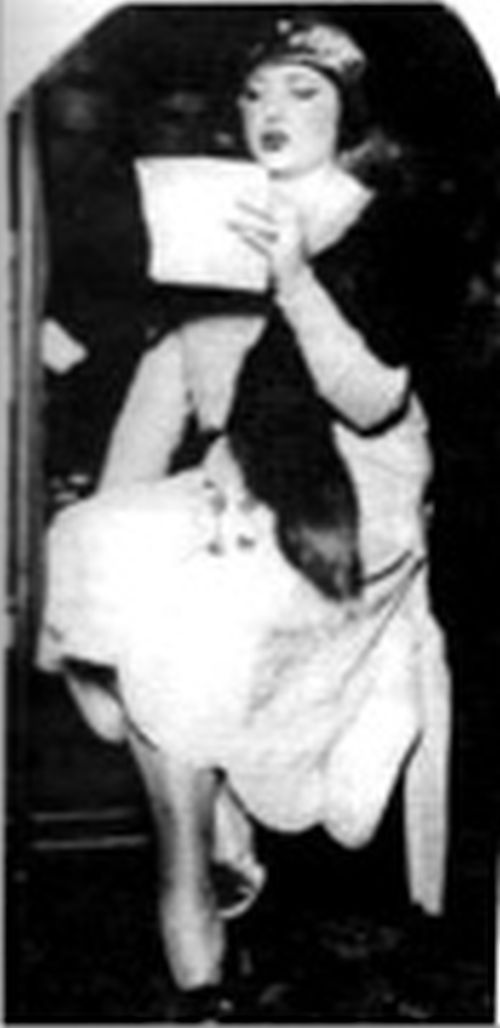
Ibarbourou reads the poems in the Legaslative Palace in Montevideo before the cermony honouring her as "Juana of America" in August 1929
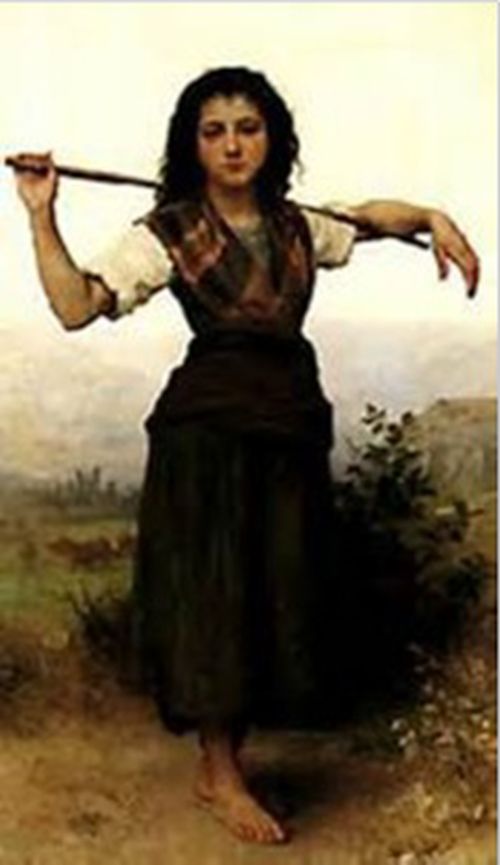
[Pic]
[Ibarbourou loved her early years and her free
wandering in woods and fields.]
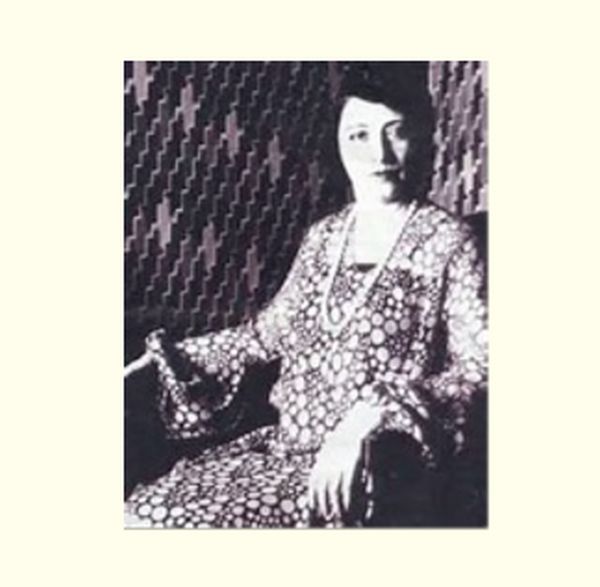
[Pic]
Stately and composed Ibarbourou
look every bit the refined poet.]
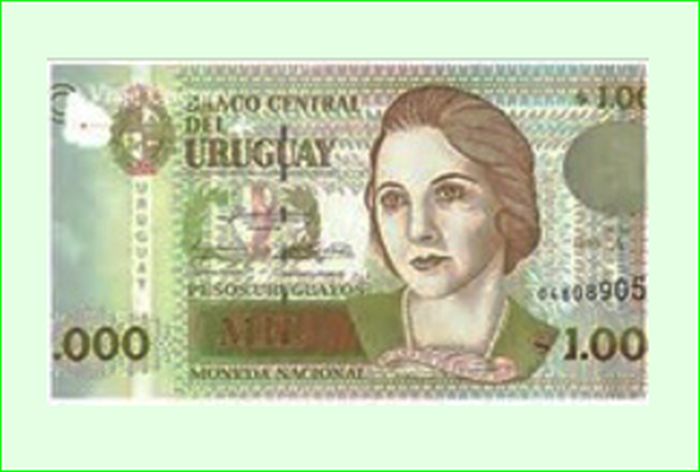
[Pic]
[She appears on a common denomination of Uruguay currency as a daily presence]
Pic
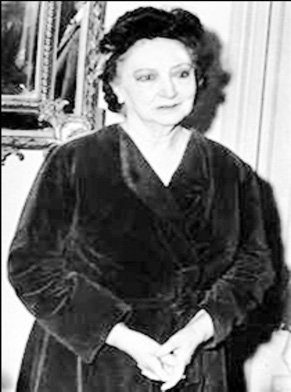
[Ibarbourou continued to write poetry late into her life.]
[pic]
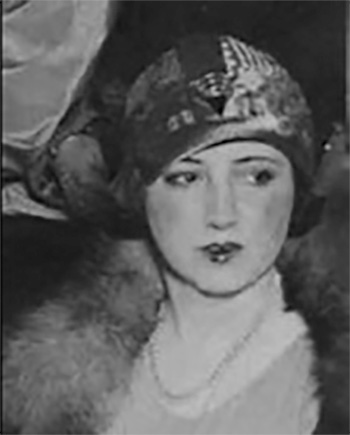
[In 1929 she took to the Flapper Look}